There is no single PicoWay price, because the cost depends on the area treated, how many sessions your plan needs, the handpiece and settings used, and whether maintenance is built in. At Skin Art MD in Burnaby, a physician assessment comes first, and the quote is itemised after that assessment rather than posted online.
Why Is There No Fixed PicoWay Price?
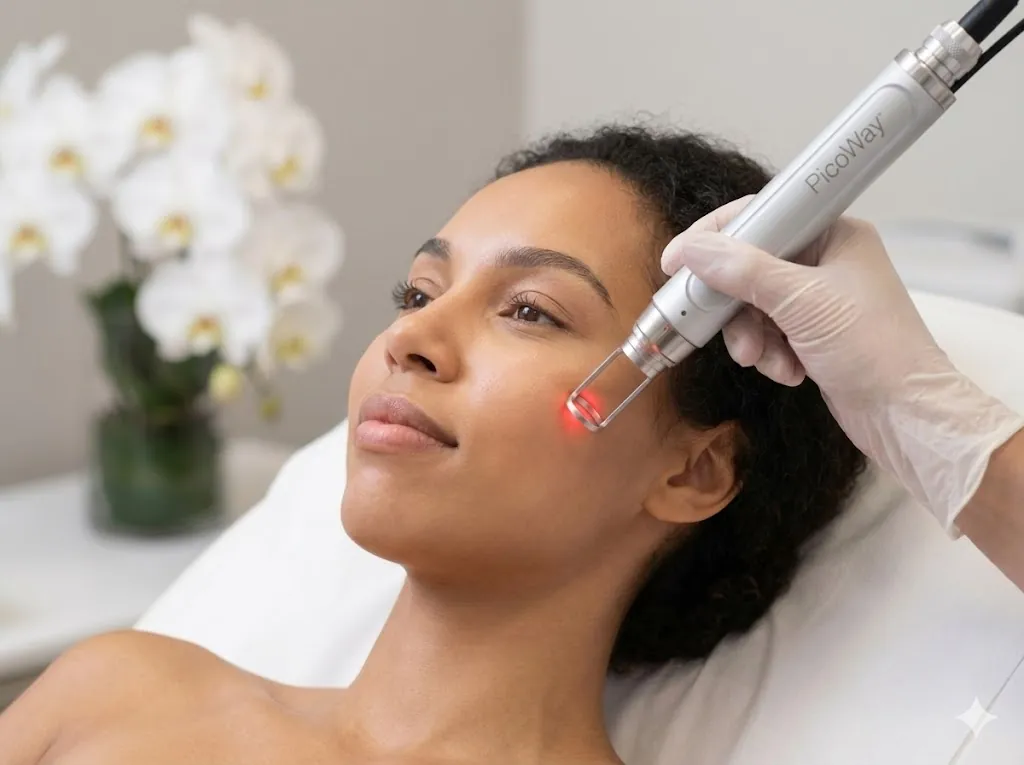
PicoWay is planned around one person's pigment, so a single posted figure would not reflect what a real plan involves. The technology itself is consistent: PicoWay is a picosecond laser that delivers energy in extremely short pulses to break up pigment, acting mainly through pressure rather than heat. At Skin Art MD in Burnaby, it is used for facial pigment concerns, with a physician assessment first.
What varies is the plan built around that device. A physician assessment decides suitability and sets the number of sessions, which commonly falls in the 2–6 range depending on the concern, with a typical gap of 4–6 weeks between visits. A plan for a few sun spots and a plan for melasma-type patches that needs ongoing management are not the same piece of work, and the fee reflects that difference.
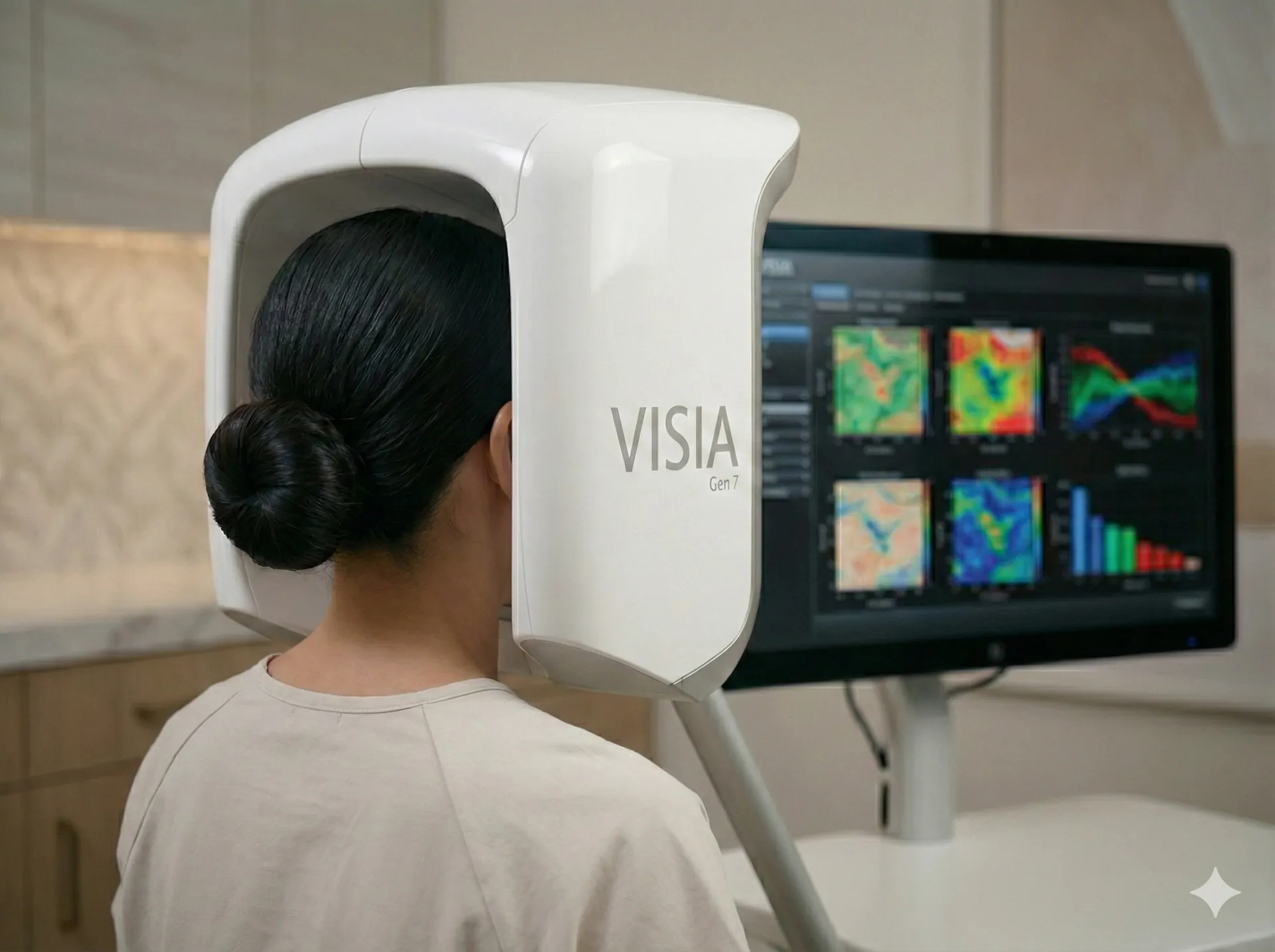
Pigment also behaves differently from person to person, and some concerns call for a different approach entirely. Because a physician assessment at Skin Art MD decides suitability and the plan, the quote follows the assessment rather than preceding it. Pricing is personalised at consultation, and a quote should itemise what the plan actually includes.
What Decides the Cost of PicoWay?
Several practical factors move a quote up or down, and most of them are decided at the assessment rather than at the front desk.
The target itself matters. Sun spots, age spots and other superficial pigment can be treated with the Zoom handpiece, while the Resolve handpiece uses a fractional pattern to support collagen without breaking the surface. A plan that draws on both is a different plan from one that stays superficial.
Wavelength choice plays a role too. Options including 1064 nm for deeper targets and 532 nm for superficial ones let the physician match the target, and the mix selected shapes the session.
The number of sessions is the other main variable. A common course is 2–6 sessions about 4–6 weeks apart, depending on the concern, so the overall plan reflects how many visits are expected rather than a single appointment.
Change builds gradually over weeks to months, and melasma-type patches may need maintenance and ongoing sun protection, which can extend a plan over time.
At Skin Art MD, a physician-led skin clinic in Burnaby (Metrotown), a physician assessment decides suitability and sets the plan. Individual results vary.
Why Do Quotes Differ Between Clinics?
Two clinics can name the same laser and still quote differently, because what surrounds the device changes the plan and the price. A laser is a tool; the plan matters. At Skin Art MD, PicoWay sits inside a physician-led clinic at Metrotown in Burnaby, and that structure shapes what a quote reflects.
Physician-led planning. Plans sit within the care of the clinic's medical director, Dr. Charles Jiang, and a physician assessment decides suitability before treatment is scheduled. Clinics differ in who assesses skin, how much time that assessment takes, and how the findings translate into settings and session spacing — all of which feed into cost.
Realistic, staged plans. Pigment such as melasma is managed over time. A quote may reflect a staged plan rather than a single-session change, and the number of sessions built into that plan varies with the concern.
Combination options. The physician may discuss peels or other skin care alongside laser for stubborn pigment, which can change what a plan includes.
What a quote should make clear. It is worth asking whether a quote covers the consultation, the treatment itself, post-care, and follow-up — and which handpieces or wavelengths are planned. Two quotes for "PicoWay" may describe quite different visits.
What Should a Consultation Quote Itemise?
A useful quote separates the parts of the plan so you can see what you are paying for and what is optional. At Skin Art MD in Burnaby, a PicoWay quote is built around the physician's plan rather than a single flat figure, and the itemisation usually reflects that structure.
The core of the quote is the treatment itself: how many sessions are commonly planned for the concern, which is often 2–6 depending on what is being treated, and the typical gap between them of 4–6 weeks. Because the plan is staged, the quote should show whether it is priced per session or as a course, and how maintenance fits in afterward — melasma-type patches in particular tend to return, so ongoing care is part of the picture rather than an add-on.
From there, a clear quote separates the practical components:
- Handpiece and mode — the Zoom handpiece for sun spots and superficial pigment, or the Resolve handpiece, which uses a fractional pattern to support collagen without breaking the surface.
- Comfort measures — a cold-air device is used during treatment, and this should be reflected rather than assumed.
- The consultation and physician assessment — the step that decides suitability and sets realistic expectations.
- Optional additions — the physician may discuss peels or other skin care alongside laser for stubborn pigment; these should appear as separate, clearly optional lines.
A quote that lists these parts lets you compare clinics on the same basis. A physician assessment at Skin Art MD decides suitability and the final plan.
Who Decides Whether PicoWay Suits You?
Suitability is a medical judgement, not a menu choice, and some pigment concerns need a different approach or a delay. At Skin Art MD in Burnaby, a physician assessment decides whether PicoWay is appropriate and sets realistic expectations before any session is planned.
Pigment concerns differ widely. Melasma-type patches, sun spots, freckle-like marks, pigmented acne marks and Hori's macules may each call for a different strategy, and melasma in particular tends to return, so care usually focuses on gentle, repeated sessions and sun protection rather than a one-off fix. Because picosecond pulses act mainly through pressure rather than heat, the physician can match wavelength and handpiece to the target — but the decision still rests on an examination of the skin.
There are also reasons a physician may advise waiting:
- Pregnancy or breastfeeding
- Recent oral acne medication such as isotretinoin — tell the clinic at booking
- Skin infection in the treatment area
- A recent tan; treatment is usually delayed about four weeks
- A history of keloid scarring, or medicines that make skin sensitive to light
Skin Art MD is a physician-led clinic, and plans sit within the care of its medical director, Dr. Charles Jiang, a licensed physician in British Columbia. If PicoWay is not the right fit, the physician will say so and discuss alternatives.
What Happens During a PicoWay Visit?
A visit is short and structured, with cooling for comfort and clear aftercare instructions at the end. Preparation starts before the appointment: sun and tanning are avoided for about four weeks beforehand, medications, pregnancy and recent procedures are reviewed, and the face arrives clean and free of makeup. Because pigment work is usually staged, a common course is 2–6 sessions spaced about 4–6 weeks apart.
In the treatment room, protective eyewear goes on first. A few test pulses confirm how the skin responds, then pulses are delivered across the area with cold air running throughout — most describe the sensation as small snaps, like a rubber band. Many facial sessions take about 30 minutes or less in total. A soothing application and cooling follow.
Afterwards, treated spots may darken and then flake over about 1–2 weeks, which is expected; redness usually settles within hours to a few days. Gentle products and daily sunscreen matter, and crusts should not be picked. Change builds gradually over weeks to months, and melasma-type patches may need maintenance and ongoing sun protection. A physician assessment at Skin Art MD in Burnaby decides suitability and the plan.
What Are the Limits and Common Side Effects?
Pigment change is gradual and melasma-type patches can return, so the plan is managed over time rather than treated as a one-off fix. PicoWay works by breaking pigment into fine particles the body clears, and that clearing builds over weeks to months — which is why a course is commonly planned as 2–6 sessions about 4–6 weeks apart, with results that vary from person to person.
Some expected reactions along the way:
- Treated spots may darken and then flake over about 1–2 weeks; this is part of the process, not a setback.
- Redness usually settles within hours to a few days.
- Melasma-type patches may need maintenance sessions and ongoing sun protection, since melasma is long-standing and tends to return.
Gentle products and daily sunscreen support recovery, and crusts should not be picked. Tanning and strong sun are best avoided before and after treatment. Because pigment concerns differ widely — and a recent tan, pregnancy or breastfeeding, a skin infection in the area, or certain medications can affect timing — a physician assessment at Skin Art MD in Burnaby decides suitability and sets realistic expectations. Individual results vary. A physician assessment decides suitability.
What Should You Ask Before Booking?
A few direct questions at consultation tell you more about value than any advertised number. Because PicoWay pricing is built around the individual plan, the useful conversation is about what that plan contains and why it is shaped the way it is.
Start with the plan itself. Ask how many sessions are commonly planned for a concern like yours — a typical course runs 2–6 sessions, spaced about 4–6 weeks apart — and what happens if pigment responds slowly. Ask which wavelengths and handpieces the physician expects to use, since options such as 1064 nm for deeper targets and 532 nm for superficial ones are matched to what is being treated. It is also fair to ask whether combination options, such as peels or other skin care alongside laser, might be discussed for stubborn pigment.
Then ask about the visit and aftercare. A cold-air device is used for comfort, and sessions are quick, but pigment spots may darken and flake over about 1–2 weeks, so it helps to know what to expect and how sun protection fits in.
Finally, confirm who assesses your skin. At Skin Art MD in Burnaby, a physician assessment decides suitability, and the clinic is physician-led, with Dr. Charles Jiang as medical director.
Frequently asked questions
How much is PicoWay laser treatment at Skin Art MD?
Pricing is personalized at consultation, so no figure is quoted here. At Skin Art MD in Burnaby, a physician assessment comes first, and the quote is built from the areas treated, the number of sessions planned and the handpieces used.
What decides the PicoWay cost per session?
The treated area, how much pigment is involved, the handpieces and wavelength settings chosen, and how many sessions the physician plans all shape the quote. Maintenance sessions and who performs the treatment can also affect it, which is why two clinics may quote differently.
Why do PicoWay laser price quotes differ between clinics?
Quotes differ because clinics vary in how they assess skin, which device and handpieces they use, session counts and who performs the treatment. A quote should itemise the area, the planned sessions and what aftercare is included, so ask for that breakdown in writing.
How many PicoWay sessions are commonly planned?
A common course is 2–6 sessions about 4–6 weeks apart, depending on the concern. Melasma-type patches may need maintenance and ongoing sun protection, and a physician assessment at Skin Art MD decides the plan.
What are the most common side effects of PicoWay treatment?
Treated spots may darken and then flake over about 1–2 weeks, and redness usually settles within hours to a few days. A physician assessment decides suitability, and a history of keloid scarring or light-sensitive medicines is discussed first.
What happens during a PicoWay visit?
Protective eyewear goes on first, then a few test pulses confirm how your skin responds. Pulses are delivered with cold air running, many facial sessions take about 30 minutes or less, and a soothing application and cooling follow.
What types of tattoos can be treated with PicoWay?
PicoWay is also used for tattoo removal, which is covered on the clinic's tattoo removal page. This page focuses on facial pigment, and a physician assessment decides which concern and area a plan should focus on.
Next steps
If you are weighing PicoWay, a physician-led assessment at Skin Art MD in Burnaby can clarify whether it suits you. Book a consultation — available in English and Chinese. You can also read more on the PicoWay treatment page.
This article is for educational purposes only and does not constitute medical advice. Please consult with a qualified healthcare professional before undergoing any treatment.