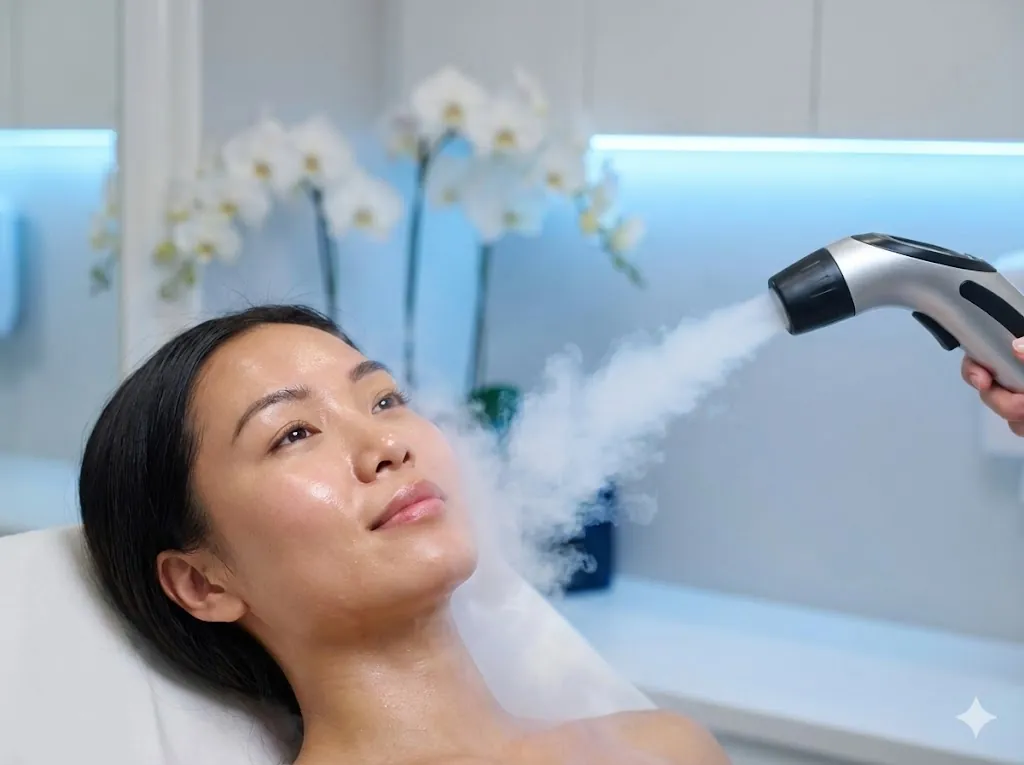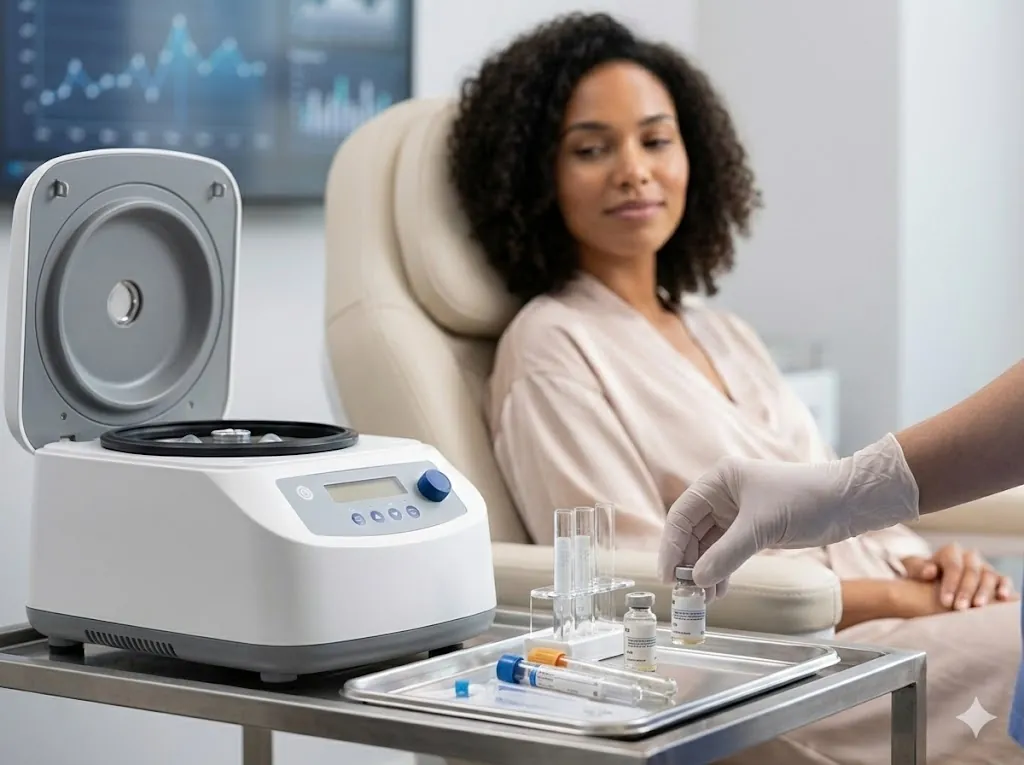
Cryotherapy uses brief exposure to extreme cold — about -110°C to -140°C for whole body sessions — to trigger blood-vessel narrowing and rebound, cold shock proteins, slower nerve signalling and lower inflammatory markers. Studies point to recovery, skin and mood applications, but the evidence base is still maturing, and a physician assessment decides whether it suits a given person.
Cryotherapy—the therapeutic application of extreme cold—has evolved from a niche sports recovery tool into a medical aesthetic and wellness intervention with a growing body of peer-reviewed clinical evidence. Whether you've encountered whole body cryotherapy (WBC) chambers or localized cold therapy applications, the underlying biochemistry is both elegant and clinically meaningful. At Skin Art MD in Burnaby, our physician-led team evaluates each patient individually before recommending any cold-based intervention. Learn more about Cryotherapy
This article is the information layer—written for readers who want to understand why and how before deciding whether to proceed. Questions about individual suitability can be discussed with our medical team at a consultation.
How Does Cryotherapy Work at the Cellular Level?
At its core, cryotherapy works by exposing biological tissue to temperatures far below physiological norms—typically between -110°C and -140°C for whole body cryotherapy, or more focused ranges for localized applications. This thermal shock triggers a cascade of protective and regenerative responses that extend well beyond simple "numbing."
Vasoconstriction and the Vasodilation Rebound
When skin surface temperature drops rapidly, peripheral blood vessels undergo vasoconstriction—a reflexive narrowing that shunts blood toward the core to protect vital organs.
Upon rewarming, a compensatory vasodilation occurs.
This vascular oscillation is not merely passive recovery; it actively drives nutrient-rich, oxygenated blood back into peripheral tissues. The net result is enhanced microcirculation that can persist for hours after treatment.
Cold Shock Proteins and the Cellular Stress Response
The cellular response to acute cold exposure involves the upregulation of cold shock proteins (CSPs), particularly RNA-binding proteins such as CIRP (cold-inducible RNA-binding protein).
These proteins function analogously to heat shock proteins—they stabilize cellular machinery under thermal stress, preserve RNA integrity, and modulate protein synthesis.
Concurrently, mitochondrial activity is transiently modulated, and the cell's antioxidant defense systems are engaged.
Nerve Conduction and Pain Modulation
Cold application slows nerve conduction velocity, particularly in small-diameter C-fibers and Aδ-fibers responsible for transmitting pain and temperature signals. This mechanism underlies cryotherapy's well-documented analgesic effects.
Simultaneously, cold exposure stimulates the release of endorphins and norepinephrine—neurotransmitters with mood-modulating and analgesic properties that can produce a subjective sense of wellbeing following sessions.
Inflammatory Pathway Modulation
Perhaps most clinically relevant for aesthetic and anti-aging medicine is cryotherapy's effect on inflammatory cascades.
Acute cold exposure has been shown to reduce levels of pro-inflammatory cytokines including IL-1β, IL-6, and TNF-α, while simultaneously upregulating anti-inflammatory mediators.
This bidirectional regulation—calming chronic low-grade inflammation while preserving acute immune competence—is central to many of cryotherapy's proposed benefits for skin quality, recovery, and systemic wellness.
What Does Peer-Reviewed Research Show About Cryotherapy?
Published studies link whole body cryotherapy with lower inflammatory markers in athletes, possible collagen stimulation in skin, and improved mood and sleep scores, although the evidence base is still evolving.
Musculoskeletal Recovery and Systemic Inflammation
Banfi et al., published in the British Journal of Sports Medicine, examined whole body cryotherapy in elite athletes and found significant reductions in inflammatory markers—including C-reactive protein (CRP) and interleukin-6 (IL-6)—following repeated WBC sessions.
The study highlighted the treatment's potential for accelerating recovery timelines and managing exercise-induced muscle damage, with implications for anyone managing chronic musculoskeletal load.
Skin Quality and Dermal Remodeling
Rose et al., writing in the Journal of the European Academy of Dermatology and Venereology, investigated cryotherapy's effects on dermal collagen remodeling.
Their findings suggested that controlled cold stress can stimulate fibroblast activity and collagen synthesis—mechanisms parallel to those seen in laser-based skin rejuvenation.
This opens applications for improving skin firmness and surface texture as part of a non-invasive anti-aging strategy.
Mood, Sleep, and Autonomic Regulation
Rymaszewska et al., in Archives of Immunology and Therapy Experimental, documented significant improvements in mood scores and sleep quality among patients undergoing a structured course of whole body cryotherapy.
The proposed mechanism involves sympathetic nervous system activation, catecholamine release (particularly norepinephrine), and subsequent parasympathetic rebound—a physiological pattern associated with improved autonomic regulation and resilience to stress.
These three studies, while representing an evolving evidence base, demonstrate that cryotherapy is not anecdotal—it operates through well-characterized biological pathways that can be evaluated and applied in a clinical context.
How Does Cryotherapy Differ From Cryolipolysis and Other Thermal Therapies?
Whole body cryotherapy is a brief, intense systemic cold exposure aimed at neurovascular and inflammatory responses, whereas cryolipolysis uses sustained, controlled cooling to reduce fat, and saunas and contrast therapy work through heat or hot-cold alternation.
Patients often arrive at Skin Art MD having researched multiple options, and the distinctions matter clinically.
| Modality | Temperature Range | Primary Mechanism | Session Length | Key Applications |
|---|---|---|---|---|
| Whole Body Cryotherapy | -110°C to -140°C | Systemic cold shock, vascular cycling, catecholamines | 2–3 min | Recovery, inflammation, mood, skin |
| Localized Cryotherapy | -30°C to -60°C | Targeted vasoconstriction, nerve modulation | 5–15 min | Joint pain, skin lesions, focal recovery |
| Cryolipolysis (CoolSculpting) | ~4°C (sustained) | Adipocyte apoptosis via selective cold | 35–60 min | Subcutaneous fat reduction |
| Infrared Sauna | 50°C to 60°C | Hyperthermia, vasodilation, sweating | 20–45 min | Relaxation, circulation |
| Contrast Therapy | Hot/cold alternation | Vascular pumping, nervous system oscillation | 20–30 min | Recovery, circulation, resilience |
Cryotherapy and cryolipolysis are frequently confused, but they operate via entirely different mechanisms. Cryolipolysis delivers sustained, controlled cooling to induce selective fat cell death (apoptosis) without damaging overlying skin. Whole body cryotherapy, by contrast, is a brief, intense systemic cold exposure focused on neurovascular and inflammatory responses—not fat reduction. Knowing which mechanism aligns with a given goal matters when comparing modalities.
Many patients at our Burnaby clinic arrive having researched both options online. A physician consultation helps clarify which approach—or combination—is clinically appropriate.
Who May Benefit From Cryotherapy, and Who Needs Extra Screening?
Adults in generally good health seeking recovery support, inflammation management or skin firmness may be considered, while people with cold urticaria, Raynaud's syndrome, uncontrolled hypertension, neuropathy or pregnancy need extra screening or may not be suitable.
At Skin Art MD, Dr. Sharon Fong, a physician at the clinic, conducts a clinical evaluation before cryotherapy or any cold-based intervention is recommended. This physician oversight is what distinguishes a medical aesthetics clinic from an unregulated commercial wellness center.
Profiles That May Benefit
- Adults in generally good cardiovascular and metabolic health seeking recovery support or systemic inflammation management
- Individuals with chronic low-grade musculoskeletal discomfort, in coordination with their primary care provider
- Patients interested in collagen stimulation and skin firmness as part of a broader non-invasive anti-aging plan
- Active individuals and athletes looking to support training recovery and reduce downtime between sessions
- Those exploring comprehensive wellness optimization beyond diet and exercise alone
Patients Who Require Additional Screening or May Not Be Suitable
- Individuals with cold urticaria (cold-induced allergic reactions) or cold agglutinin disease
- Those with Raynaud's syndrome or significant peripheral vascular insufficiency
- Patients with uncontrolled hypertension or a recent cardiovascular event
- Individuals with open wounds, active skin infections, or inflammatory skin conditions in the treatment area
- Pregnant patients
- Those with impaired peripheral sensation (neuropathy), who may not reliably detect an adverse cold response
- Patients with severe claustrophobia may require accommodations for WBC chamber use
A full medical history is reviewed before any recommendation is made.
What Can't Cryotherapy Do?
Cryotherapy is not a standalone cure for any condition: the clinical evidence is still maturing, results vary between individuals, and it fits as a complementary part of a wider wellness or aesthetic plan.
The Evidence Ceiling
While cryotherapy's mechanisms are well-understood at the cellular level, the clinical evidence base is still maturing.
Many existing studies involve relatively small sample sizes, heterogeneous patient populations, and varying protocols—differences in temperature, session duration, and frequency make direct comparison difficult.
Extrapolating results across study designs requires clinical judgment, not just enthusiasm.
At Skin Art MD, we are transparent with patients that cryotherapy is best positioned as a complementary modality within a comprehensive wellness or aesthetic strategy—not a standalone cure for any condition.
Results may vary, and individual responses depend on baseline health, treatment frequency, and concurrent lifestyle factors.
Clinical Contraindications
As noted above, cold hypersensitivity conditions represent absolute contraindications.
Relative contraindications include poorly controlled diabetes (due to impaired peripheral sensation), active deep vein thrombosis, severe anemia, and symptomatic respiratory conditions.
Patients on certain cardiovascular medications or anticoagulants should disclose these fully prior to any cryotherapy assessment.
Why the Setting Matters
Cryotherapy should be received in a setting with appropriate clinical equipment and qualified clinical oversight, which is not present at every commercial cryo-bar or wellness spa.
How Does Skin Art MD Approach Cryotherapy in Burnaby?
Skin Art MD is a physician-led medical aesthetics clinic located in the Metrotown area of Burnaby, serving patients from across the Greater Vancouver region. Here is how we approach cryotherapy:
Physician-Led Assessment: Every cryotherapy evaluation begins with Dr. Sharon Fong or a supervised member of our clinical team. Medical decision-making is never delegated to unqualified staff.
Personalized Treatment Planning: We do not apply one-size-fits-all protocols. Cryotherapy is integrated into broader health, recovery, and aesthetic goals following a thorough intake review.
Medical-Grade Equipment: We use clinical equipment—not consumer-grade units repurposed from commercial wellness settings.
Bilingual Access: Our team serves patients in both English and Mandarin Chinese (普通话) for the Greater Vancouver area's diverse community.
Transparent Medical Communication: We discuss evidence, limitations, and realistic expectations before any treatment begins.
Frequently Asked Questions
Is cryotherapy painful?
Most people describe whole body cryotherapy as intensely cold rather than painful. The brief duration—typically 2 to 3 minutes—makes the experience manageable for most adults. Localized applications may produce a temporary stinging or burning sensation that subsides quickly upon rewarming. Our team at Skin Art MD explains what to expect before a first session.
How many sessions are needed to see results?
Response varies significantly by individual and indication. Some people notice acute recovery or mood effects after a single session. For chronic inflammation support or skin quality improvements, a structured course of multiple sessions—typically 5 to 10 over several weeks—is often recommended. Plans are individualized based on baseline, goals, and response to initial sessions.
Is cryotherapy safe?
When properly administered in a physician-supervised environment, cryotherapy has a well-established safety profile. The key risks—frostbite, cold shock, and hypersensitivity reactions—are largely preventable through proper screening, technique, and monitoring. The clinical setting matters: receiving cryotherapy at a medically supervised clinic is different from an unmonitored commercial facility.
How does whole body cryotherapy differ from an ice bath?
Both use cold, but WBC uses dry cryogenic air rather than water immersion, reaches far lower temperatures, and operates in a much shorter timeframe. The absence of moisture significantly alters heat transfer dynamics and the physiological response pattern. WBC chambers also allow precise temperature control that ice baths cannot replicate, enabling more consistent and reproducible protocols.
What should I wear during a cryotherapy session?
For whole body cryotherapy, people typically wear minimal clothing—underwear, dry socks, gloves, and protective ear coverings—to maximize skin surface exposure while protecting the most cold-sensitive extremities. The care team at Skin Art MD provides complete pre-session preparation guidance at the consultation.
What affects the cost of cryotherapy?
The overall cost depends on the type of cryotherapy, the number of sessions in a plan and individual goals; these are discussed at the consultation.
What Is the First Step?
Whether cryotherapy suits a specific person is a question for a qualified physician, who reviews health history, goals, and any potential contraindications before anything is recommended.
Dr. Sharon Fong and the Skin Art MD team in Burnaby see new patients for consultations in both English and Mandarin. Book a consultation to discuss whether cryotherapy fits your goals.
This article is for educational purposes only and does not constitute medical advice. Please consult with a qualified healthcare professional before undergoing any treatment.