A DPL (Dye Pulsed Light) photo facial is a light-based skin treatment that uses a narrow 500–600nm band of light to target the hemoglobin behind facial redness and the melanin in sun spots, while sparing surrounding tissue. Sessions are short, a series of treatments is typical, and a physician assessment of skin type decides suitability.
Residents of the Greater Vancouver area increasingly look for skin treatments that offer precision, minimal downtime and research-backed results, and Dynamic Pulsed Light (DPL) is one of them. If you are searching for a DPL Photo Facial in Burnaby, BC, understanding the underlying biological mechanisms is a useful first step. At Skin Art MD, in the Metrotown area, we believe informed patients make better decisions. This science-focused guide explores how DPL technology differs from traditional methods and why it has become a cornerstone of modern skin rejuvenation. Learn more about DPL Photo Facial
What is DPL? The Narrow-Spectrum Advantage
DPL is a narrow-spectrum evolution of Intense Pulsed Light (IPL). To understand it, one must first understand the evolution of light-based therapy. Traditional Intense Pulsed Light (IPL) uses a broad spectrum of light (usually 500nm to 1200nm) to treat various skin concerns. While effective, this broad approach can sometimes lead to unnecessary heat absorption by surrounding tissues. DPL, or Dye Pulsed Light, represents the next generation of this technology. It utilizes a narrow-spectrum of light (typically in the 500nm to 600nm range). This specific window is often referred to as the "delicate range" because it closely matches the absorption peaks of hemoglobin and melanin while sparing the surrounding dermis. This precision is why DPL is widely used for vascular and pigmentary concerns.
How does DPL work on the skin?
The fundamental principle behind DPL is selective photothermolysis. This process involves using light energy to target a specific "chromophore" (a light-absorbing molecule) without damaging the adjacent skin. In a DPL photo facial, the primary targets are:
- Oxyhemoglobin: Found in red blood cells, this chromophore absorbs DPL energy to treat telangiectasia (broken capillaries), rosacea, and general facial redness.
- Melanin: The pigment responsible for sunspots, age spots, and freckles. DPL energy causes these pigmented cells to shatter, after which they are naturally processed and eliminated by the body’s lymphatic system.
By narrowing the light spectrum, DPL delivers energy more efficiently. This means the treatment can often achieve results at lower energy levels than traditional IPL, enhancing patient comfort and safety. Book a Consultation to see if this precision-based approach is right for your skin type.
What does the research say about DPL?
The efficacy of narrow-spectrum light therapy is documented in the medical literature. At Skin Art MD, our protocols are informed by peer-reviewed research.
- Vascular Lesion Efficacy: A study by Goldberg et al., Journal of Cosmetic and Laser Therapy, demonstrated that narrow-spectrum pulsed light significantly improves the appearance of facial telangiectasia with a higher safety profile compared to broad-spectrum devices. The study noted a marked reduction in erythema (redness) after just three sessions.
- Pigment Targeting: Research published by Tan et al., Dermatologic Surgery, compared narrow-spectrum vs. broad-spectrum light for the treatment of solar lentigines (sunspots). The findings suggested that the narrow-spectrum approach allowed for more targeted destruction of melanin with fewer side effects like post-inflammatory hyperpigmentation.
- Safety and Comfort: Wang et al., Lasers in Surgery and Medicine, highlighted that because DPL concentrates energy within the optimal absorption range for hemoglobin, patients reported less discomfort during the procedure and shorter recovery times than traditional laser therapies.
How does DPL compare with IPL and pulsed dye laser?
DPL sits between broad-spectrum IPL and single-wavelength pulsed dye laser: it is narrower and more targeted than IPL, covers both redness and pigment, and usually involves less recovery time.
| Feature | Traditional IPL | DPL (Dye Pulsed Light) | Pulse Dye Laser (PDL) |
|---|---|---|---|
| Light Spectrum | Broad (500-1200nm) | Narrow (500-600nm) | Single Wavelength (585/595nm) |
| Primary Target | General rejuvenation | Redness & Pigment | Primarily Vascular |
| Precision | Moderate | High | Very High |
| Downtime | 3-5 days | Minimal | Potential Bruising |
| Versatility | High | High | Specific to Redness |
How is suitability for DPL assessed?
Suitability depends mainly on skin type: because DPL targets melanin, it is generally used for Fitzpatrick types I-III, and darker skin types need a modified approach or a different treatment, as decided at a physician assessment.
Not every skin concern is a match for DPL. Under the guidance of Dr. Sharon Fong, a physician focused on medical aesthetics, every patient at Skin Art MD has a thorough skin assessment. Dr. Fong evaluates candidates based on the Fitzpatrick Skin Scale. Because DPL targets melanin, it is generally used for Fitzpatrick types I-III. Patients with darker skin tones (types IV-VI) require a modified approach or alternative treatments like skin boosters or energy-based devices that bypass the epidermis to avoid pigment changes. This physician-led oversight keeps DPL treatment in Burnaby medically supervised.
What happens during a DPL session?
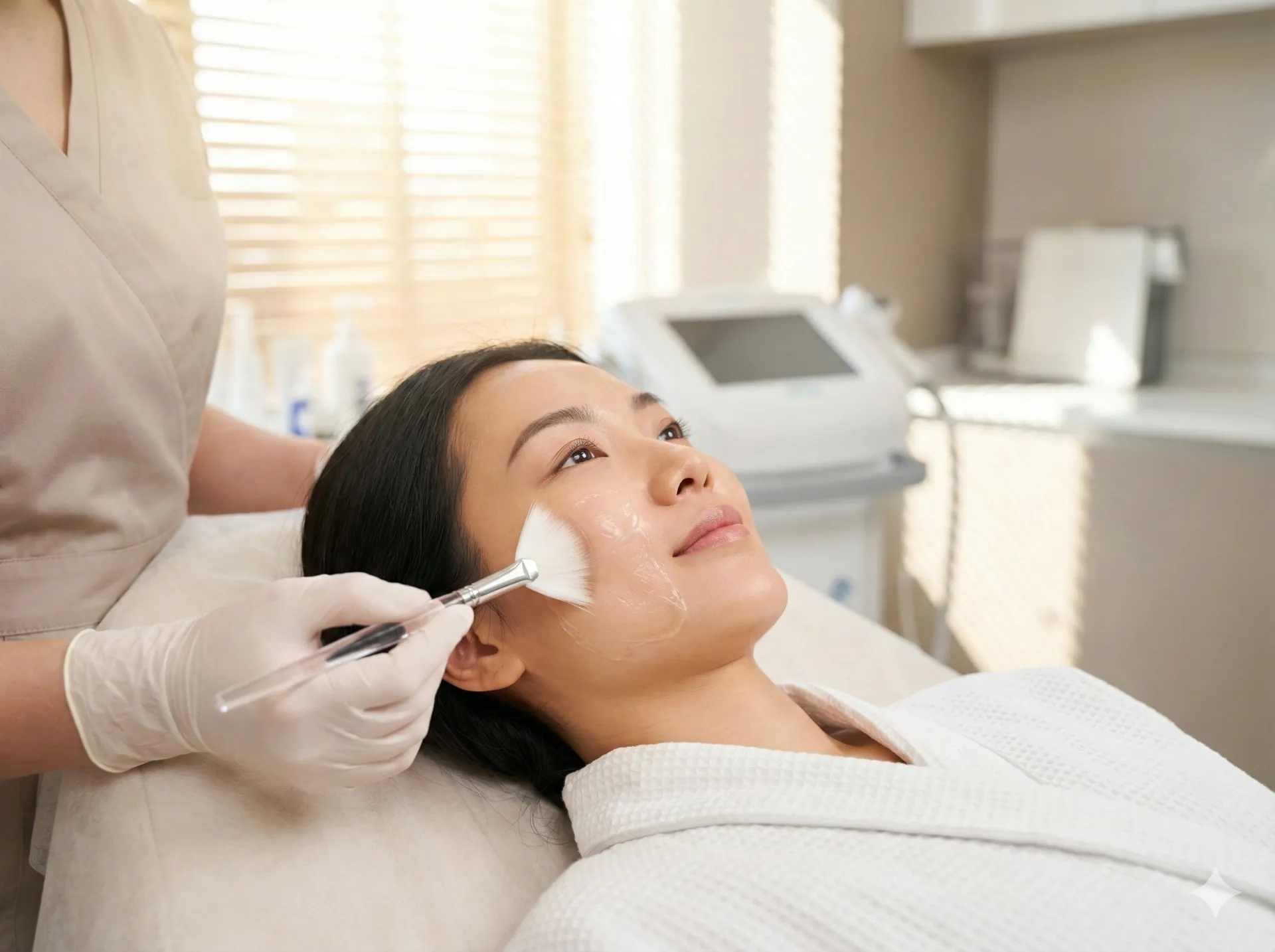
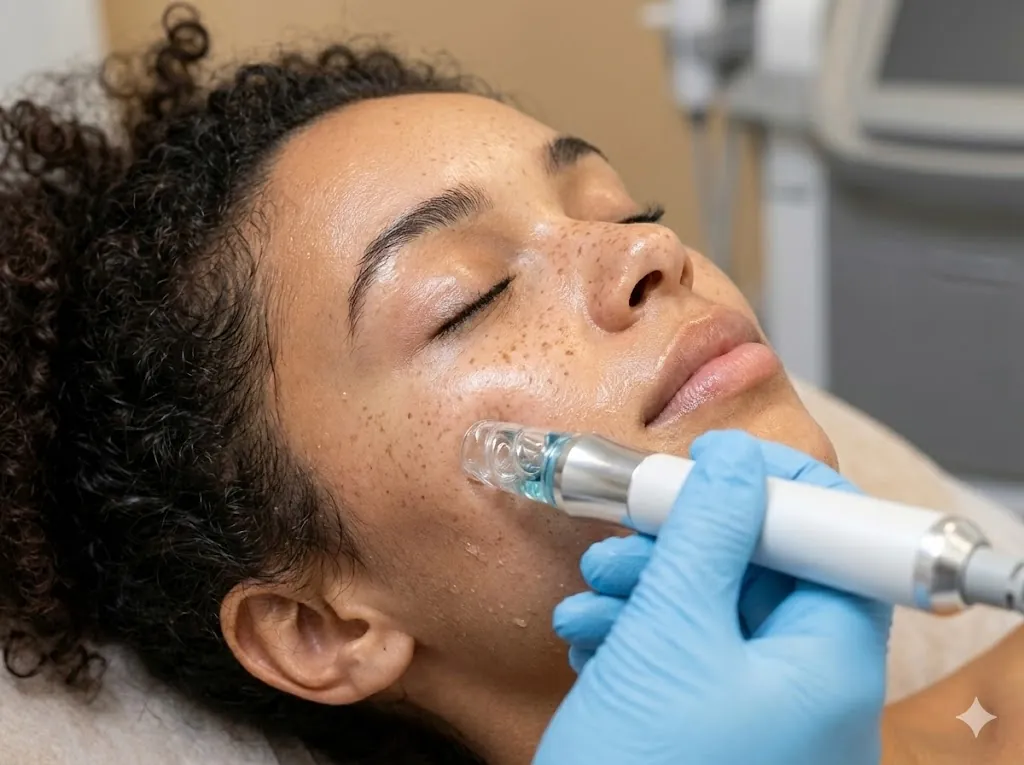
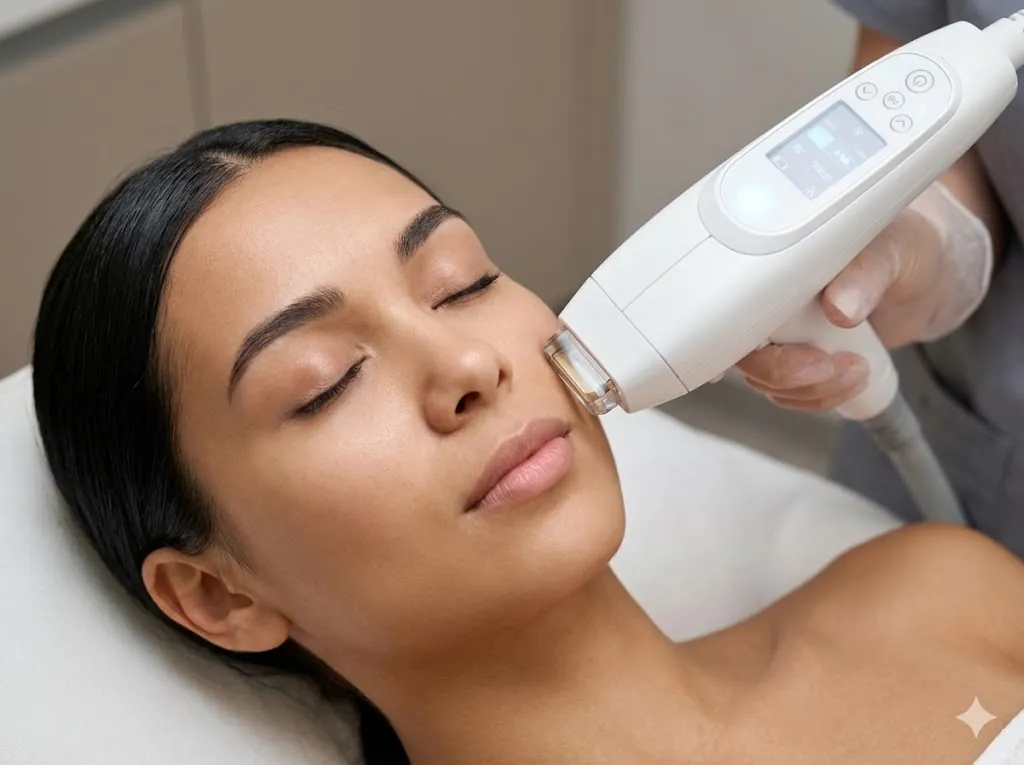
A DPL session involves a consultation, cleansing and a cool gel, a series of light pulses that feel like a rubber-band snap, and soothing serum plus sunscreen afterwards.
Here is what you can expect during a session at Skin Art MD:
- Consultation: We discuss your medical history and skin goals. Our staff is bilingual, offering consultations in both English and Mandarin.
- Preparation: The skin is cleansed, and a cool coupling gel is applied to the treatment area.
- The Procedure: The DPL handpiece is applied to the skin, delivering pulses of light. The sensation is often described as a light snap of a rubber band.
- Post-Care: A soothing serum and high-SPF sunscreen are applied. Most people return to daily activities the same day, with temporary redness possible, which makes it a common "lunchtime" procedure. Book a Consultation to begin your personalized skin journey.
What does DPL care at Skin Art MD in Burnaby involve?
At Skin Art MD, DPL is physician-led, delivered in English or Chinese, and planned as part of overall skin health:
- Physician-Led Care: Dr. Sharon Fong oversees clinical protocols for safety.
- Technology: We use a current DPL platform for DPL Photo Facial in Burnaby, BC.
- Bilingual Care: Our team communicates in English and Chinese, serving our diverse Burnaby community.
- Holistic Approach: We look at skin health as part of your overall wellness.
Frequently Asked Questions
1. What are skin boosters?
Skin boosters are micro-injections of hyaluronic acid and nutrients designed to hydrate the skin from within. While DPL targets color (reds and browns), skin boosters improve texture and "glow."
2. Can DPL be combined with other skin care?
DPL is often combined with internal wellness and professional-grade skincare to support a longer-lasting glow. Our team can help you design a multi-modality plan.
3. What's new in injectables?
The trend has shifted toward regenerative injectables and subtle facial rejuvenation. Patients are moving away from the "overfilled" look toward natural-looking biostimulators.
4. How many DPL sessions are usually needed?
A series of 3 to 5 sessions, spaced about 4 weeks apart, is typical. Some people notice an improvement in skin tone after one DPL Photo Facial session; individual results vary.
5. Can DPL help with long-term skin health?
Patients increasingly ask how they can maintain skin health for the long term, not only how to look younger. DPL can be part of managing cumulative sun damage.
6. Does overall health show in the skin?
Skin health is often a reflection of internal health. At Skin Art MD, we encourage a holistic view of aging that includes nutrition, sleep, and stress management alongside medical treatments.
7. Can stress and poor sleep affect the skin?
Modern life in the Greater Vancouver area can be demanding. Chronic stress and lack of sleep can manifest as dull, sallow skin—something DPL can help revitalize by stimulating the skin's natural repair processes.
8. Does a recent illness affect whether DPL is suitable?
Skin sensitivity or inflammatory responses can change after viral infections. It is essential to discuss your full medical history with your practitioner during your consultation to ensure DPL is appropriate for your current skin state.
How do I start with DPL in Burnaby?
Your journey to clearer skin starts with a professional assessment of sun damage, redness or dullness. Book a consultation at Skin Art MD in Burnaby — available in English and Chinese.
Disclaimer: This article is for educational purposes only and does not constitute medical advice. Please consult with a qualified healthcare professional before undergoing any treatment. Individual results vary and depend on various factors including skin type and adherence to aftercare.