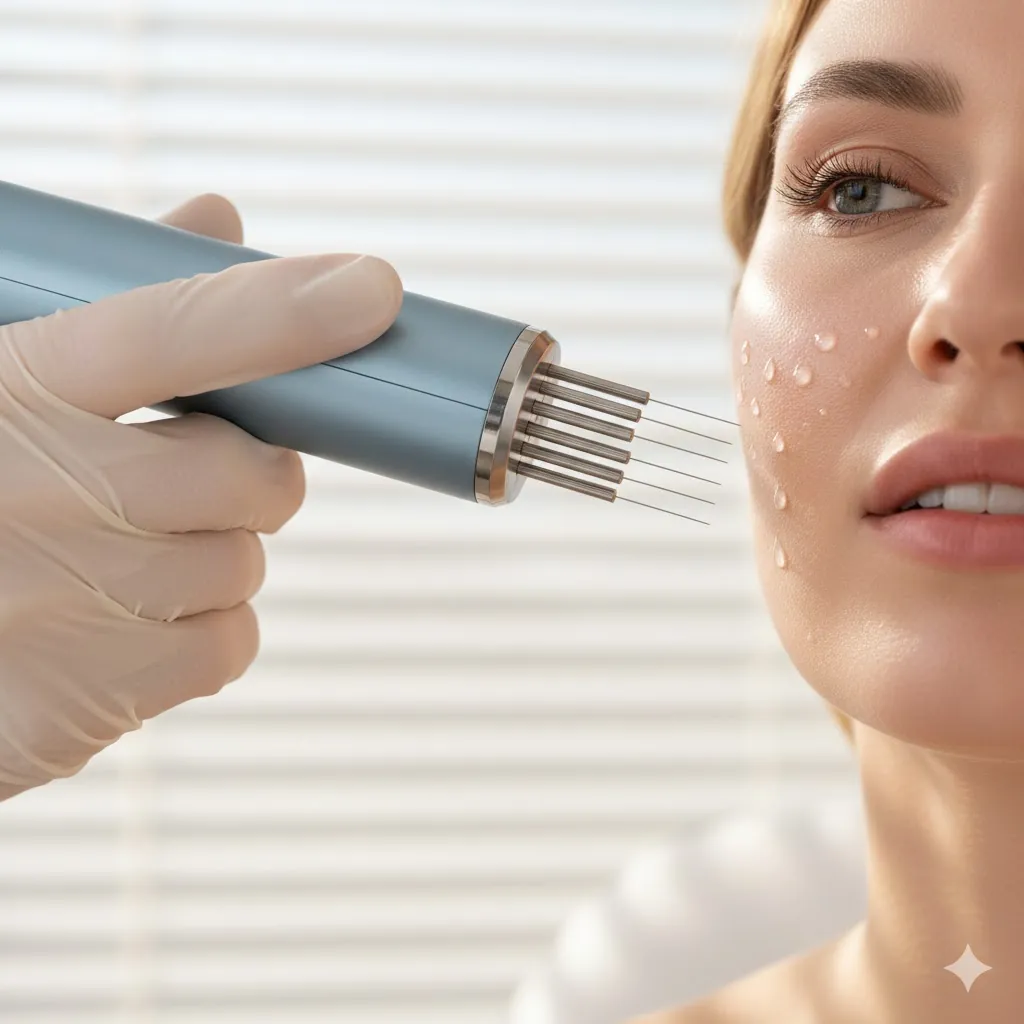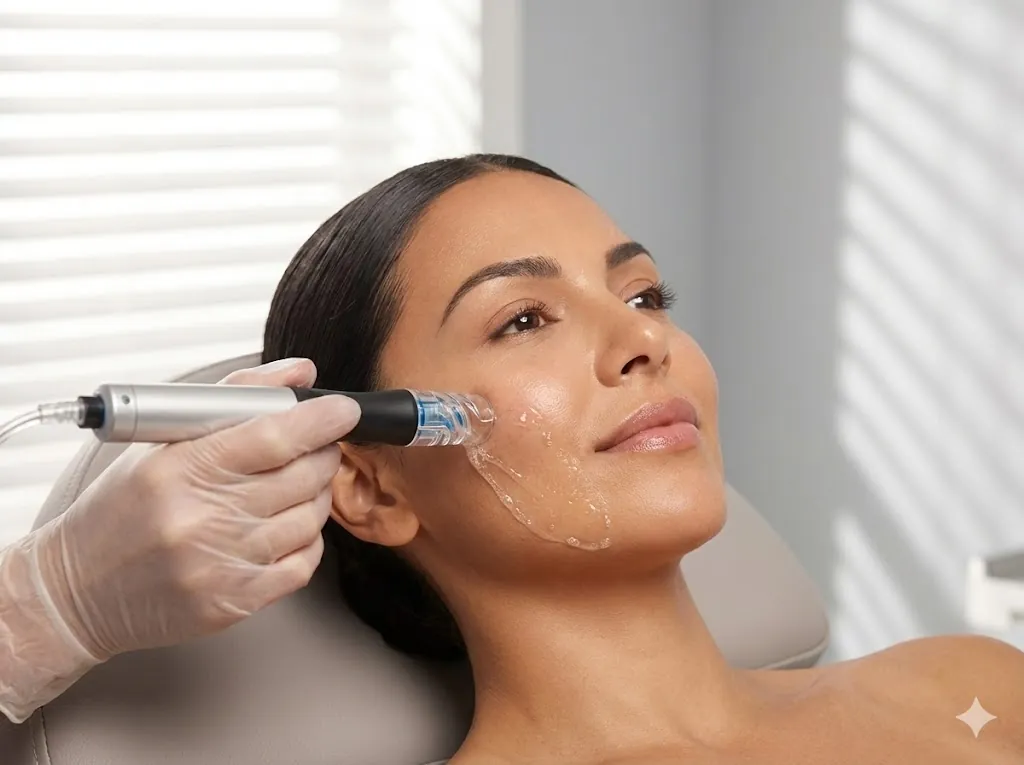
HydraPeel is a non-invasive facial that combines water-based exfoliation (hydro-dermabrasion), vortex suction to clear pores, and infusion of serums such as hyaluronic acid and antioxidants. Unlike dry microdermabrasion or chemical peels, it hydrates while it exfoliates, and most people return to daily activities right after; a physician assessment tailors the serums.
In the evolving landscape of medical aesthetics, the quest for effective skin rejuvenation often leads patients to the intersection of mechanical exfoliation and biochemical infusion. At Skin Art MD in Burnaby, we approach skin health through a clinical lens, prioritizing treatments that are backed by physiological evidence.
HydraPeel represents a significant advancement in non-invasive skin care, moving beyond the surface-level effects of traditional facials to address skin health at a cellular level.
While many recognize the treatment for its immediate "glow," the underlying mechanism of action involves complex interactions between pneumatic pressure, hydro-dermabrasion, and transdermal nutrient delivery.
Understanding these mechanisms is the first step for any patient in the Greater Vancouver area looking to invest in their long-term skin vitality. Learn more about HydraPeel
How does HydraPeel work?
The efficacy of HydraPeel lies in its four-step process, which utilizes a unique spiral tip design to create a localized vortex. This is not merely a "wash" for the face; it is a sophisticated delivery system that leverages fluid dynamics to achieve results that manual extractions cannot match.
1. Mechanical Exfoliation and Hydro-Dermabrasion
Unlike traditional microdermabrasion, which uses abrasive crystals or diamond tips that can cause micro-tears in sensitive skin, HydraPeel employs hydro-dermabrasion. This process uses a pressurized stream of saline or specialized serums to loosen dead keratinocytes. By hydrating the stratum corneum (the outermost layer of the skin) simultaneously with exfoliation, we reduce the inflammatory response often associated with mechanical resurfacing.
2. Pneumatic Extraction (The Vortex Effect)
At the heart of the HydraPeel device is a vacuum-assisted suction mechanism. As the spiral tip moves across the skin, it creates a vacuum that physically pulls sebum, pollutants, and debris from the follicular openings. This "vortex-fusion" ensures that the pores are cleared without the traumatic pressure of manual squeezing, which can lead to capillary damage or scarring.
3. Transdermal Nutrient Infusion
Once the barrier of dead skin cells is removed and the pores are evacuated, the skin is at its most receptive state. The device then utilizes the same vortex technology to drive low-molecular-weight hyaluronic acid and antioxidants into the deeper layers of the epidermis. This bypasses the traditional limitations of topical application, where large molecules often fail to penetrate the skin's natural hydrophobic barrier. Book a Consultation
What does the clinical evidence say about HydraPeel?
Published studies of hydro-dermabrasion and vacuum-assisted infusion reported increased epidermal thickness, higher collagen density and higher antioxidant levels in skin compared with older methods; these are study findings, and individual results may differ.
To understand the value of HydraPeel, we must look at the peer-reviewed literature that supports its use in clinical practice.
Several studies have highlighted the advantages of this multi-modality approach over traditional methods.
- Freedman et al., Journal of Cosmetic Dermatology: This study compared hydro-dermabrasion to traditional microdermabrasion. The findings indicated that hydro-dermabrasion resulted in a more significant increase in epidermal thickness and a higher density of collagen fibers. Furthermore, biopsies showed a marked decrease in inflammatory markers in the hydro-dermabrasion group, suggesting a safer profile for sensitive skin types.
- Loesch et al., Journal of the American Academy of Dermatology (JAAD): Research into the infusion of antioxidants via vacuum-assisted technology demonstrated that patients treated with this method showed significantly higher levels of Vitamin C and E in the skin tissues compared to topical application alone. This suggests that the "infusion" stage of HydraPeel provides genuine biochemical protection against oxidative stress.
- Marmur et al., Journal of Drugs in Dermatology: A clinical evaluation of patient satisfaction and skin barrier function showed that HydraPeel treatments improved skin texture and decreased fine lines without disrupting the skin's natural pH or moisture-retention capabilities. This supports its description as a "barrier-friendly" treatment.
What role does oxygenation play in HydraPeel?
The oxygenation step is meant to support skin-cell metabolism and a more radiant look; the mechanism described below is a physiological rationale rather than a measured treatment result.
Often referred to as an "oxygen facial," the integration of oxygenation into the HydraPeel protocol at Skin Art MD serves a specific physiological purpose.
Oxygen is a critical component in cellular metabolism and wound healing.
By increasing the local concentration of oxygen at the skin's surface, the intent is to engage the Bohr Effect—a physiological phenomenon where increased CO2 levels (induced by the treatment) trigger the body to release more oxygen to the treated area.
This boost in oxygenation supports the mitochondria in skin cells, facilitating faster turnover and a more radiant complexion.
Why does HydraPeel need a physician assessment?
At Skin Art MD in Burnaby, we emphasize that HydraPeel is a medical-grade treatment that requires professional assessment.
In our physician-led clinic, every patient undergoes a comprehensive skin analysis before proceeding.
Candidate evaluation is critical because the serums used during the infusion phase must be tailored to the patient's specific pathology. For example, a patient with active acne requires a salicylic acid-based extraction, while a patient with melasma or hyperpigmentation requires a brightening serum rich in Vitamin C or kojic acid.
Without physician oversight, there is a risk of exacerbating underlying conditions like rosacea or using incorrect pressures on compromised skin barriers.
Our bilingual staff (English and Mandarin) ensures that every patient fully understands the clinical rationale behind their personalized plan, bridging the gap between medical science and aesthetic goals.
How does HydraPeel compare with microdermabrasion and chemical peels?
HydraPeel uses hydro-exfoliation and vortex suction and provides simultaneous hydration, and most people return to daily activities right away.
| Feature | HydraPeel | Traditional Microdermabrasion | Chemical Peels |
|---|---|---|---|
| Mechanism | Hydro-exfoliation + Vortex Suction | Dry Crystal/Diamond Abrasion | Chemical Keratolysis |
| Hydration Level | High (Simultaneous infusion) | Low (Drying) | Variable |
| Recovery Time | Usually same day | 24-48 hours | 3-7 days |
| Customization | High (Serum-based) | Low | Moderate |
| Comfort | Usually comfortable | Mildly abrasive | Stinging/Burning |
Who should not have HydraPeel?
HydraPeel can be used on most skin types (Fitzpatrick I-VI), but some situations call for postponing or adjusting it, and these are reviewed during your consultation at Skin Art MD:
- Active Sunburn: Treating sun-damaged skin that is currently inflamed can lead to post-inflammatory hyperpigmentation.
- Severe Cystic Acne: While HydraPeel helps with comedonal acne, active cystic lesions may be too sensitive for vacuum suction.
- Prescription Retinoids: If you use prescription retinoids or oral prescription acne medication, your practitioner will discuss how to prepare your skin before treatment.
- Shellfish Allergies: Some infusion serums contain ingredients derived from marine life; we always screen for allergies during the intake process.
What should you look for in a HydraPeel clinic?
Choosing a clinic for your HydraPeel treatment in the Greater Vancouver area shouldn't just be about convenience; it should be about clinical excellence.
At Skin Art MD, we provide:
- Physician-Led Protocols: Physician oversight so treatments follow the clinic's medical safety protocols.
- Medical-Grade Devices: Treatments are delivered under physician oversight for consistent results.
- Personalized Care: We don't believe in a one-size-fits-all approach. Your HydraPeel is customized based on your skin's hydration levels, elasticity, and pigmentary concerns.
- Bilingual Communication: We offer consultations in both English and Chinese, ensuring clear communication regarding medical history and treatment expectations.
Regular HydraPeel sessions are often used as a foundation in a skin-care plan, preparing the skin for more intensive treatments like laser resurfacing or injectables.
What do people ask most about HydraPeel?
Does HydraPeel hurt? It is usually described as comfortable, like a "cool paintbrush" moving across the face. Most people return to their daily activities in Burnaby immediately after the session.
How many treatments do I need for visible results? While a single treatment provides an immediate improvement in skin texture and radiance, a series of 3 to 6 treatments, spaced 4 weeks apart, is commonly used for more visible improvement in fine lines, wrinkles, and hyperpigmentation.
Can I combine HydraPeel with other treatments? Yes. In fact, HydraPeel is often used as a "primer" for other medical aesthetic procedures. By removing the barrier of dead skin cells, it allows for better penetration of laser energy or topical medications. However, the timing should be managed by a physician.
Is it suitable for sensitive skin? Because HydraPeel uses water-based exfoliation rather than dry abrasion, it is often better tolerated by those with sensitive skin or redness-prone complexions than traditional facials.
What should I do for aftercare? We recommend avoiding heavy exercise for 24 hours and staying diligent with a high-quality SPF. Since the treatment reveals fresh, new skin, protection from the BC sun is paramount to maintain results.
How do I book a HydraPeel consultation in Burnaby?
The next step is a professional skin assessment at Skin Art MD, #101 – 4378 Beresford St, Burnaby (Metrotown); call +1 (604) 639-2581 or book online. Our medical team will evaluate your skin health and choose a serum combination for your needs. Book a consultation — available in English and Chinese.
Disclaimer: This article is for educational purposes only and does not constitute medical advice. Please consult with a qualified healthcare professional before undergoing any treatment. Individual results depend on various factors and may vary.