Skin boosters and dermal fillers are usually both made of hyaluronic acid (HA), but they do different jobs. Skin boosters are a fluid HA gel spread in tiny droplets through the dermis to improve hydration and skin quality without changing face shape. Fillers are thicker, cross-linked HA gels placed at specific points to restore volume or define contours. A physician assessment at Skin Art MD in Burnaby decides which fits.
| Skin boosters | Dermal fillers | |
|---|---|---|
| Material | Fluid, stabilized hyaluronic acid gel | Thicker cross-linked hyaluronic acid gels, softer or firmer by area |
| Aim | Skin quality: hydration, fine lines, texture, glow | Shape: volume, projection, contour |
| Where it goes | Spread in micro-droplets through the dermis | Placed at targeted points, often deeper |
| Changes face shape? | No | Yes, by design |
| Common areas | Full face, neck and décolletage, hands, around the eyes | Lips, chin, jawline, cheekbones, tear troughs, smile lines |
| Typical plan | A short course of sessions spaced weeks apart, then maintenance | Often a single visit, with review once swelling settles |
| Right after | Small raised bumps that usually flatten within a day or two | Visible change straight away; swelling settles over the following weeks |
| Can it be dissolved? | HA is metabolised naturally over time | HA filler can be dissolved with an enzyme if the result needs adjusting |
If both are hyaluronic acid, why do they behave so differently?
They behave differently because the gel is made differently and placed differently. Hyaluronic acid is a sugar molecule the body already produces, and it binds water. In a skin booster, the gel is fluid so it can spread thinly and evenly through the dermis, where it attracts and holds water. In a filler, the HA is cross-linked into a thicker gel that holds its shape, which is what lets it lift a cheekbone or project a chin.
Even within fillers, gels differ. Softer gels suit mobile areas such as the lips; firmer cross-linked gels give structure to the chin and jaw. The physician chooses the product for the area, and the same logic applies to skin boosters, where gels differ in thickness and spread.
Where does each one go in the skin?
Skin boosters go into the dermis as many small, evenly spaced micro-injections, while fillers go to specific points chosen for structure. The booster pattern is a grid or field across an area, so that hydration is even rather than concentrated. Filler placement follows the face's architecture: bone landmarks for the jaw and chin, the mid-face for cheek support, and fine placement for lips. A blunt-tipped micro-cannula is often used for fillers to help limit bruising.
What does each one change, and what does it leave alone?
A skin booster changes how the skin looks and feels, and leaves proportions alone. Better-hydrated skin reflects light more evenly, which many people describe as a dewy finish, and fine dehydration lines and rough texture can soften. The micro-injury and added hydration can support firmer-feeling skin over the following weeks.
A filler changes proportions. Skin Art MD's filler page describes looking at the whole face rather than single lines: a recessed chin can make a nose look larger, and flat cheeks can make eyes look tired. The goal there is balance, so that people look rested rather than treated. A filler does not set out to change skin texture.
How does a visit differ at the Metrotown clinic?
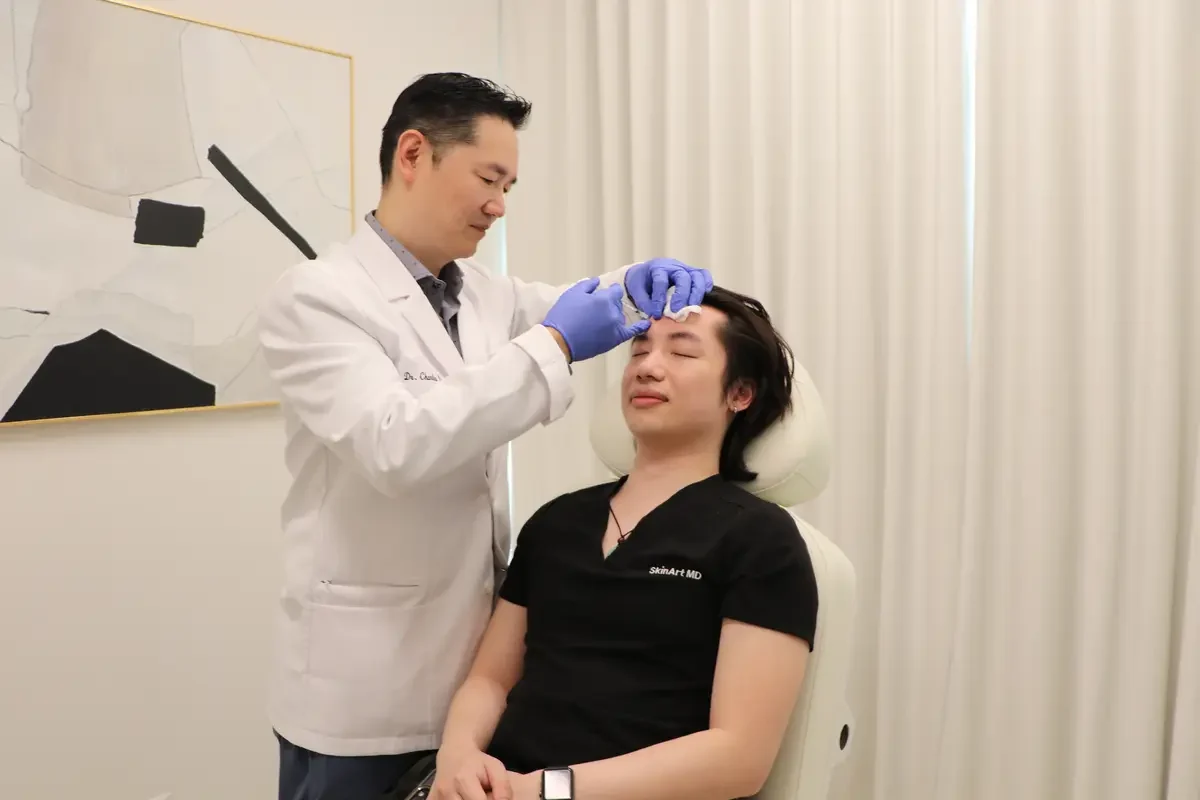
Both visits begin with an assessment and numbing, but the injection pattern and the finish differ. Injections at Skin Art MD are performed by a physician under medical direction.
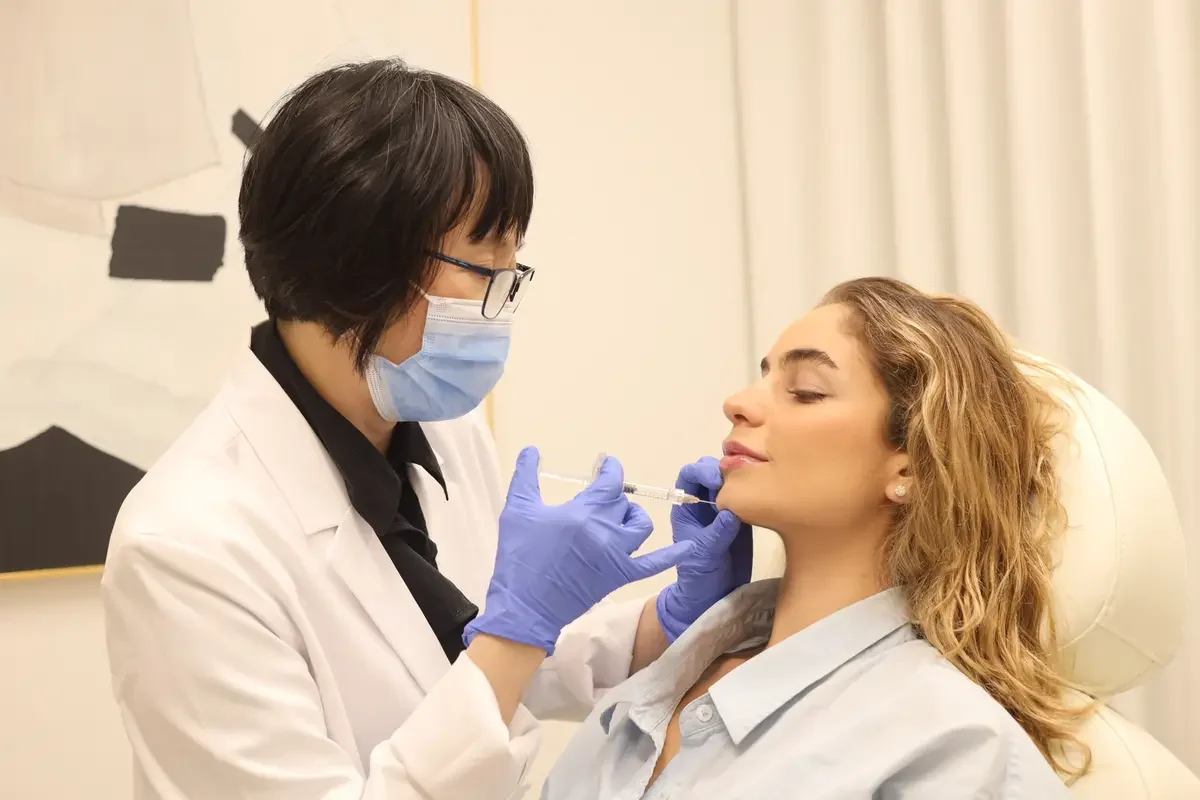
At a skin booster visit, the physician selects the product for the skin, numbing cream is applied and left to work, and then micro-injections place the HA evenly through the dermis. At a filler visit, the face is assessed and marked, numbing cream is applied, the product is placed area by area while progress is checked in a mirror, and then it is gently moulded so it settles smoothly. The clinic is at #101 – 4378 Beresford St, Burnaby, near Metrotown SkyTrain Station.
What is the first week like after each?
After skin boosters, the visible sign is small raised bumps at the injection points, like mosquito bites, which usually flatten within a day or two. Mild bruising is possible. Aftercare includes not touching or massaging the area for 24 hours, skipping makeup for a few hours, and avoiding saunas, hot tubs and sun for a few days.
After fillers, the shape change is visible immediately, and swelling is common, especially in the lips, where it often peaks within the first couple of days. Aftercare includes avoiding the gym and heavy sweating for 24 hours, not massaging the area, sleeping on the back the first night and avoiding dental work for two weeks. For both, most people resume normal activities the same day.
Why does skin tone matter in the plan?
Skin tone matters because melanin-rich and reactive skin can be prone to post-inflammatory hyperpigmentation (PIH) after trauma. Skin Art MD's skin booster page notes that fine technique and controlled depth help limit trauma for this reason. The same care applies to filler placement. A physician assessment decides suitability for each skin type.
Can they be combined?
Yes, they are often combined because they address different things: skin quality and shape. A plan might restore cheek support with filler and improve the skin's hydration and texture with a booster course. Skin boosters are also often sequenced after energy-based treatments such as Thermage, with the device treatment usually first. The physician sets the order and spacing.
How is the choice made?
The choice is made at a physician assessment at Skin Art MD in Burnaby, starting with whether the concern is the skin's quality or the face's shape. The physician reviews skin thickness, hydration, proportions, goals and medical history, and checks reasons to wait: pregnancy or breastfeeding, active infection or inflammation (including a cold sore), allergy to HA or a numbing ingredient, recent treatments in the same area, planned dental work, and autoimmune conditions. Consultations are available in English, Mandarin and Cantonese.
What else do people ask about skin boosters and fillers?
These are the shorter questions that come up most often.
Is a skin booster just a diluted filler?
Not exactly. Both use HA, but a skin booster gel is designed to spread through the dermis for hydration, while filler gels are designed to hold shape.
Will a skin booster make the face look fuller?
It is not designed to. The aim is hydrated, even-looking skin without a change in face shape.
Can filler be reversed?
HA filler can be dissolved with an enzyme if the physician and patient decide the result needs adjusting.
How long do they last?
Both fade gradually as the HA is metabolised. Duration varies by product, area and person, and the physician discusses maintenance at assessment.
How is this different from a hydrating facial?
A facial treats the surface; a skin booster places HA within the dermis. They can be sequenced together.
When is the clinic open?
Tuesday to Sunday, 10:00 to 18:00; closed Mondays. Phone +1 (604) 639-2581.
Written by the Skin Art MD clinical team as general information about how these treatments work and what a visit involves. It is not medical advice; suitability is decided at a physician assessment.