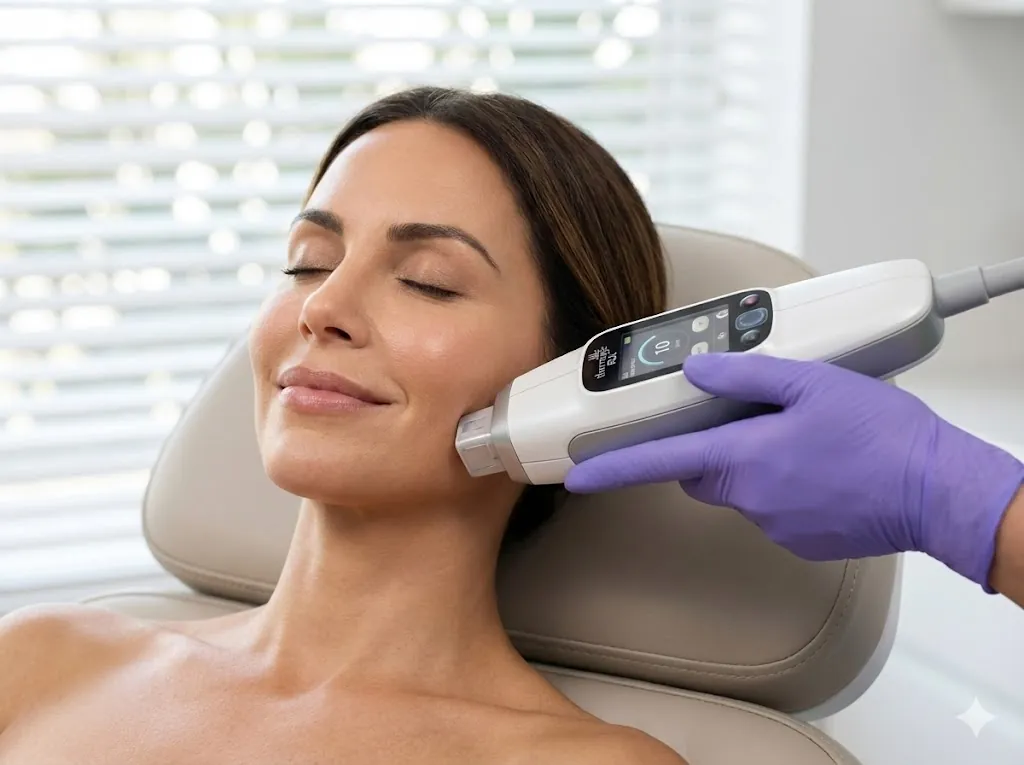
If you are booking Thermage FLX for the first time, the preparation is easier to manage if you split it into three windows: the week before, the day itself, and the month afterwards. Each window has a different job. The week before is about calming your skin and getting your history in order. The day is about communication. The month after is about heat avoidance, sun protection and patience while collagen remodels. This article walks through each window as a practical checklist. It is general information, not a personal treatment plan; a physician assessment decides whether Thermage suits you and how it is planned.
What does a first-timer actually need to prepare?
Three things: a complete picture of your health and treatment history, a short period of gentle skincare beforehand, and realistic expectations. Thermage is non-surgical and needle-free, but it deliberately heats deep layers of the skin, so how your skin goes into the session, and how you look after it afterwards, shapes comfort and recovery.
Most people researching Thermage focus on how much it hurts and how many pulses they will get. Those are reasonable questions, but the small details around the appointment tend to make a bigger difference to how the experience feels. A strong retinoid used right up to the day can leave skin more reactive; a hot-tub session the next evening can prolong redness. Neither is dramatic, but knowing in advance keeps things simple.
How does Thermage FLX work, in plain terms?
Thermage FLX, made by Solta, delivers monopolar radiofrequency energy into the dermis and deeper collagen-rich tissue while the tip cools the skin surface. The heat makes existing collagen contract, then the body's repair response builds and reorganises collagen over the following months. It addresses firmness and texture rather than lost volume.
That mechanism explains the timeline you should expect. You may notice a slight tightening when you leave, but the main change is gradual. The FLX handpiece combines cooling with vibration to make the heat more tolerable, and different tips are used for the eyes, face and body.
Who should not have Thermage, or should check first?
Thermage is generally not done during pregnancy or breastfeeding, with a pacemaker or other implanted electronic device, with metal implants in the treatment area, or over open wounds, infection or active inflammation. Recent thread lifts, high-energy lasers or deep resurfacing in the same area also need a conversation first.
If your skin is sunburned, in the middle of an eczema flare or dealing with widespread inflamed acne, it usually makes sense to settle that before treatment. Conditions that affect healing or circulation, such as diabetes, autoimmune disease or a bleeding disorder, and medications that thin the blood or slow healing, should be mentioned at the consultation. This is not paperwork for its own sake: it is how the physician decides on areas and energy.
What should I do in the week before?
Aim for calm, unirritated skin and an organised history. Pause strong actives, avoid sunburn, and write down anything that might change the plan. If something is unclear, a phone call to the clinic a few days ahead is far easier than rescheduling on the day.
- Pause irritating skincare. Retinoids, glycolic and salicylic acids, scrubs and strong peels are usually stopped for a few days beforehand. Follow the timing the clinic gives you.
- Protect against sunburn. Sunburned skin is not a good candidate for a heat-based treatment.
- List recent procedures. Fillers, thread lifts, lasers and other radiofrequency treatments, with dates and areas.
- List medications and supplements. Include blood thinners and fish oil. Do not stop a prescribed medication on your own; the physician will tell you whether anything needs to change.
- Note any implants. Pacemakers, metal plates or screws, and similar.
- Decide on your priority. Eyes, jawline, neck or overall texture. A clear goal makes the plan easier to aim.
What happens on the day of treatment?
Arrive without makeup, having eaten something light and had enough water, and skip alcohol beforehand. A temporary grid is placed on the skin to guide even energy delivery, coupling fluid is applied, and the tip pulses square by square. You will feel alternating warmth and cooling; tell the clinician how it feels so energy can be adjusted.
A few things first-timers find useful to know:
- Allow time. Beyond the treatment itself there is a final review, cleansing, grid marking and clean-up. Avoid squeezing it between tight commitments.
- Heat is expected. People describe brief waves of deep warmth followed by cooling and vibration. If a pulse feels too hot, say so. A more painful session is not a more effective one.
- Eye-area treatment follows its own protective protocol, which the clinician explains before starting.
- Ask questions. Which tip is being used, which zones are covered and which are avoided are all fair things to ask.
What will my skin look and feel like straight afterwards?
Temporary redness, warmth and mild swelling are common, and some people have light tenderness. These usually settle fairly quickly, and most people resume normal activities the same day, including work and dinner plans. If you have a major event the next day, discuss timing at the consultation.
Use sunscreen on the way home and keep the evening routine simple: gentle cleansing and a plain moisturiser.
How should I look after my skin over the first month?
Think of the month in three stages. For the first 48 hours, avoid saunas, hot tubs, hot yoga and anything that leaves you overheated and sweating heavily. In the first week, keep skincare gentle and sunscreen consistent. From weeks two to four, return to your normal routine, but check with the physician before any other energy-based treatment on the same area.
First 48 hours. Lukewarm water for washing, light hands, no steam rooms.
First week. Continue to hold off retinoids and acids. Any tenderness or tight feeling typically eases within days.
Weeks two to four. Reintroduce your usual products gradually. Lasers, peels, other radiofrequency treatments or injectables in the same area should be spaced as the physician advises rather than stacked on your own schedule.
When will I see a difference, and is there a follow-up?
Some people notice slight firmness right away, but the collagen-driven change is gradual. According to Solta's materials, improvement develops over the following months, and individual results vary. Whether and when a review or maintenance session makes sense is decided by the physician.
Photos taken in the same light and from the same angles, before treatment and a few months later, are a far more reliable comparison than checking the mirror every morning.
Contact the clinic promptly if you notice blistering or crusting, a persistent burning sensation, a small dent or raised area, pain that gets worse rather than better, numbness that does not fade, or anything else that worries you.
Which first-time assumptions are worth letting go of?
"More pulses means more result." Pulse count is one part of a plan. Where energy is concentrated and which zones are avoided matter more than a number.
"If it hurts, it's working." The FLX cooling and vibration exist to reduce discomfort, and energy is adjusted to your feedback. Pain is not a measure of effect.
"One session and I'm done for good." Skin keeps ageing. Treating Thermage as periodic maintenance gives you steadier expectations.
"Adding another treatment straight after will boost it." Several energy treatments on the same area in a short window can add irritation. Spacing is the physician's call.
How should I prepare for the consultation?
- Arrive without makeup so skin quality and laxity are easy to assess.
- Bring your medication list and a record of aesthetic treatments from the past year.
- Write down two or three questions, for example: is my concern laxity, volume loss or both; which part of the plan would Thermage cover; which tip would be used?
- Mention travel or big events in the month after, so timing can be planned around them.
Where is Skin Art MD?
Skin Art MD is in Burnaby's Metrotown neighbourhood at #101 – 4378 Beresford St, close to Metrotown SkyTrain Station on the Expo Line. The clinic is open Tuesday to Sunday, 10:00 to 18:00, and closed on Mondays. Whether Thermage suits you, and which areas make sense, is decided at a physician assessment. This article is general information and not individual medical advice.