Dark circles under the eyes usually come from one of four things, often in combination: brown pigment in the skin, thin skin that lets blood vessels show through, a hollow at the tear trough that casts a shadow, or puffiness that throws a shadow below it. Each type responds to different options, so the useful first step is working out which one you have, not choosing a product.
Why do some people get dark circles even when they sleep well?
Because sleep is only one factor. The skin under the eyes is among the thinnest on the body, there is little fat padding over the bone, and the area has a dense network of small vessels, so anatomy and genetics play a large part.
That is why dark circles often run in families and can be visible from the teens onward. Bone structure, how the cheek and the lower eyelid meet, natural skin tone and how much melanin the skin produces are mostly inherited. Lifestyle can make circles look worse, but for many people it is not the root cause.
What are the main types of dark circles?
There are four common patterns, and most people have a mix of two or more. Naming the dominant one helps decide which option, if any, is worth considering.
Pigmented (brown) dark circles
These look brown or grey-brown and stay the same colour whatever the lighting or head angle. They come from extra melanin in the skin, and are more common in medium and deeper skin tones, including many East Asian and South Asian skin types. Sun exposure, eye rubbing, eczema around the eyes and some eye drops can deepen them.
Vascular or thin-skin (blue-purple) dark circles
These have a bluish, purplish or reddish tint, often more visible in the morning, after a poor night or during allergy season. The skin is thin enough that the vessels and muscle underneath show through. If you gently stretch the skin and the colour lightens or spreads, a vascular component is likely.
Shadowing from volume loss (the tear trough)
The tear trough is the groove running from the inner corner of the eye down towards the cheek. With age, and in some people from early adulthood, the soft tissue here thins and the groove deepens. The colour of the skin may be normal; what you see is a shadow. A clue: shine a light from above and tilt your head; if the darkness moves or changes as the angle changes, a hollow is probably involved.
Puffiness and under-eye bags
Swelling or protruding fat under the eye creates a bulge, and the shadow underneath reads as a dark circle. Puffiness that is worse in the morning, or after salty food, alcohol or crying, is often fluid. Bags that are present all day and have grown slowly over years are more often fat pads moving forward as the supporting tissue loosens.
Can lifestyle or a medical issue cause dark circles?
Yes. Several everyday and medical factors can make dark circles more noticeable, and some are worth checking with a physician before booking any cosmetic treatment.
- Sleep and fatigue. Short sleep tends to make skin look paler and fluid collect around the eyes, which emphasizes vessels and puffiness.
- Allergies and eye rubbing. Nasal allergies and congestion can cause so-called "allergic shiners", and frequent rubbing can add pigment over time.
- Low iron. Iron deficiency can make the skin look paler, which can make under-eye darkness stand out more, and it often comes with fatigue. If you are also tired, short of breath on stairs or have heavy periods, ask for bloodwork. Our article on low ferritin and fatigue explains the tests involved.
- Thyroid, kidney and other medical conditions. Some conditions cause swelling around the eyes.
- Medications and eye drops. Certain glaucoma eye drops are known to darken the skin around the eye in some people.
- Sun, smoking and alcohol. These affect pigment, collagen and fluid balance.
If puffiness or darkness appears suddenly, is on one side only, comes with pain, vision changes or swelling elsewhere in the body, see your family physician or a walk-in clinic first. That is a medical question before it is an aesthetic one.
Which in-clinic options match which type of dark circle?
The option follows the cause. At Skin Art MD in Burnaby, an assessment comes first, and the plan may combine more than one approach when more than one type is present. Individual results vary, and some under-eye concerns are not suited to any in-clinic treatment.
For pigment: picosecond laser, with care
For some brown, pigment-type circles, a picosecond laser such as PicoWay may be considered. It delivers very short pulses aimed at pigment. Around the eye, protective eyewear is required, settings are conservative, and pigment very close to the lash line may not be suitable for laser. Several sessions are usually needed, and in medium to deep skin tones there is a risk of temporary darkening or lightening, so a test area and daily sunscreen matter. Brightening skincare and sun protection remain part of the plan either way.
For thin skin and visible vessels: PRP and skin boosters
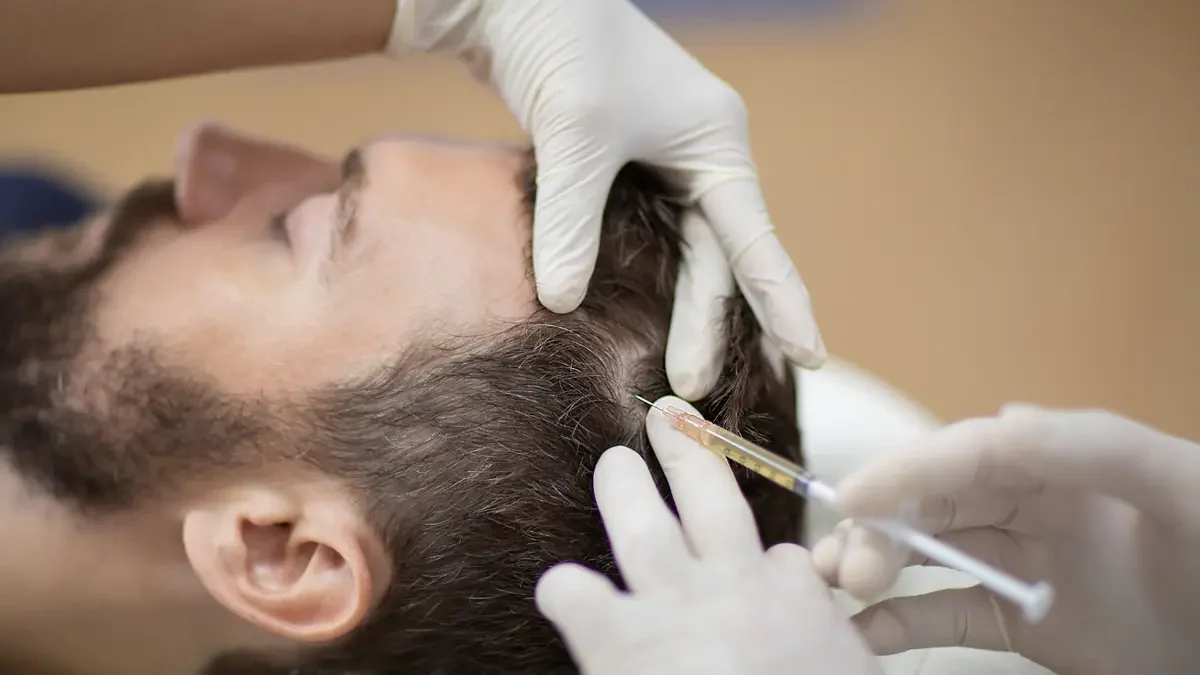
Platelet-rich plasma (PRP) uses a concentrate prepared from your own blood, injected in small amounts under the eye. It is considered for crepey, thin-looking skin. The published evidence for under-eye PRP is still limited, changes, if any, are gradual over weeks to months, and responses differ a lot between people. Skin boosters, very fine hyaluronic acid injections placed superficially, are another option for skin texture and hydration in suitable candidates. Neither replaces the volume of a deep hollow.
For hollows and shadowing: tear trough filler by a physician
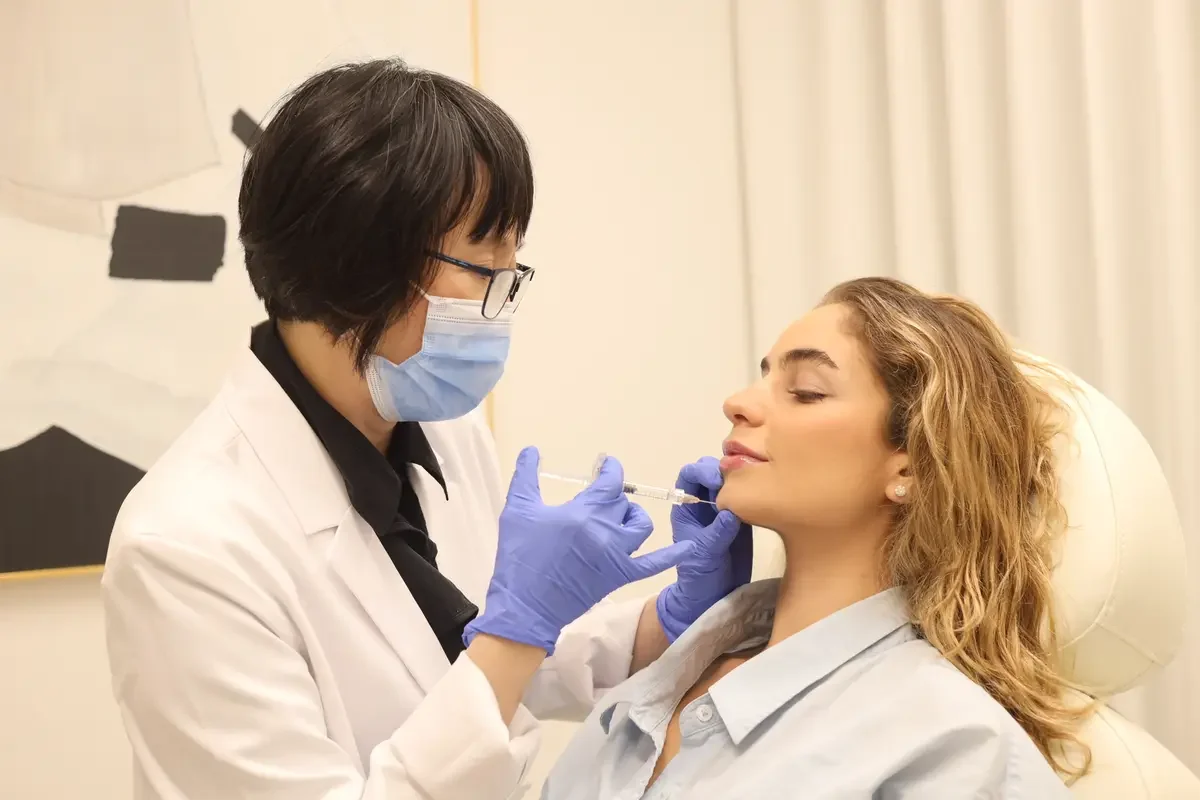
When a hollow is the main cause, hyaluronic acid dermal filler placed along the tear trough can soften the shadow. At Skin Art MD this is performed by a physician, often using a blunt cannula and small, conservative volumes. The change is visible straight away, swelling settles over about two weeks, and the filler is gradually broken down by the body, so it is temporary. Filler does not remove brown pigment and does not reliably change a blue tint.
For crepey, lax lower-lid skin: Thermage FLX eye
Thermage FLX has a dedicated eye tip that warms the deeper layers of the eyelid skin to prompt collagen remodelling. It may be considered for mild crepiness or laxity around the eyes. It does not fill a hollow, does not lighten pigment, and changes, if any, develop gradually over months.
For puffy bags
Filler and lasers are generally not the answer for true fat-pad bags; adding volume next to a bag can make it look heavier. When bags are the main issue, we may suggest seeing an oculoplastic or plastic surgeon to discuss options such as lower eyelid surgery.
Why does the under-eye area need careful assessment?
Because it is a small, thin, highly vascular area close to the eye, where small differences in technique or product choice show easily. Careful assessment reduces the chance of choosing an option that does not match the cause or that carries unnecessary risk.
Common, usually temporary effects of under-eye injections include bruising, swelling and tenderness. Less common problems include lumps, a bluish tinge if filler sits too shallow, prolonged swelling, and infection. Rarely, filler can block a blood vessel; around the eye this is a serious complication that can affect the skin and, in very rare cases, vision. Hyaluronic acid filler can be dissolved if needed, and physicians plan injections with the anatomy of the area in mind, but every injection carries some risk. With lasers, the main risks are pigment changes, redness and, if eyewear is not used, eye injury.
Please tell us about blood thinners, supplements that affect bleeding, cold sores, allergies, autoimmune conditions, previous filler or eyelid surgery, and pregnancy or breastfeeding. These can change whether and how the area is treated.
What is a realistic expectation?
A realistic aim is a softer, less tired look, not the removal of all darkness. Most people have a mix of causes, and each option addresses only part of the picture.
Filler can soften a hollow but leaves pigment untouched. Laser can lighten some pigment but does nothing for a hollow. PRP and skin boosters work on skin quality, gradually and variably. Some colour that comes from genetics or anatomy will remain, and maintenance is needed for every option because ageing continues. Sleep, allergy control, sun protection and not rubbing the eyes still matter after any treatment. Individual results vary.
Frequently asked questions
Which type of dark circles do I have?
Look in a mirror under overhead light: brown that does not change with angle suggests pigment; blue-purple that lightens when gently stretched suggests thin skin; darkness that moves with head tilt suggests a hollow. Most people have a mix, which is why an in-person assessment helps.
Can concealer or eye cream fix dark circles?
Concealer can cover them for the day. Eye creams with brightening ingredients and daily sunscreen may help pigment-type circles modestly over time, but they do not fill a hollow.
Is tear trough filler right for everyone?
No. It is usually not advised when puffy bags are the main problem, with very thin skin over the trough, during pregnancy or breastfeeding, or with an active infection nearby. The physician decides after examining the area.
How many sessions will I need?
It depends on the type. Filler is typically one appointment with a possible touch-up, while laser, PRP and skin boosters are usually planned as a series. A quote and timeline are given after assessment.
Could my dark circles be a sign of a health problem?
Sometimes. If they come with fatigue, new swelling or other symptoms, see your family physician, who can check for issues such as low iron, allergies or thyroid problems.
Booking
If you want to know which type of dark circles you have and whether any in-clinic option fits, book a consultation at Skin Art MD in Burnaby (Metrotown), serving Greater Vancouver. You can also read more about dark circles and under-eye hollows. We will look at the cause first, explain the options and their limits, and tell you if your family physician should be the first stop.