HydraFacial and HydraPeel sit in the same family of facials. Both use a water-based solution to loosen dead surface cells, a vacuum tip to draw out oil and debris from pores, and a final step that infuses hydrating and antioxidant serums. Neither uses needles or abrasive crystals. What separates them is the device system, the solutions, and how the session is structured, not one being "more advanced" than the other. For most people who want clearer pores and brighter, smoother skin, either could be reasonable; the choice depends on your skin that day, how reactive it is, and what bothers you most.
Are HydraFacial and HydraPeel the same treatment?
No. They are different systems from different makers, but both are hydradermabrasion facials. Each softens the surface with fluid, lifts congestion out of pores with suction, and finishes with hydration. The differences are in tip design, solution chemistry, and the length and intensity of each step.
On social media the same family of treatments shows up under many names: "aqua peel", "hydro facial", "water dermabrasion". The labels vary; the logic is broadly the same. Clear what is sitting on the surface and inside the pores, then put moisture back while the skin is receptive.
How does a HydraFacial session work?
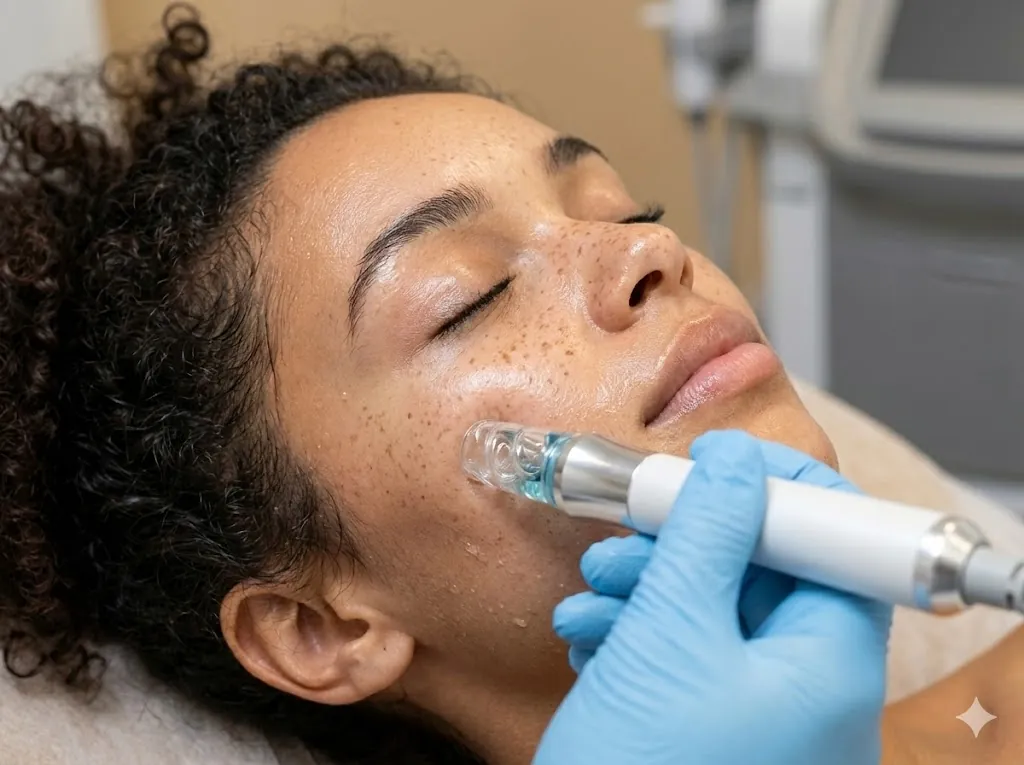
HydraFacial is a branded system from The HydraFacial Company. According to the manufacturer, its spiral-shaped tips exfoliate and extract while delivering solution to the skin, in three core stages: cleanse and peel, extract, then hydrate. Optional booster serums or add-on steps can be layered on top.
The sensation is cool and wet, and most people find it relaxing rather than uncomfortable. At Skin Art MD it is typically used as a regular maintenance facial. You can usually go straight back to work or out for the evening; some people are slightly pink for a short while.
How does a HydraPeel session work?
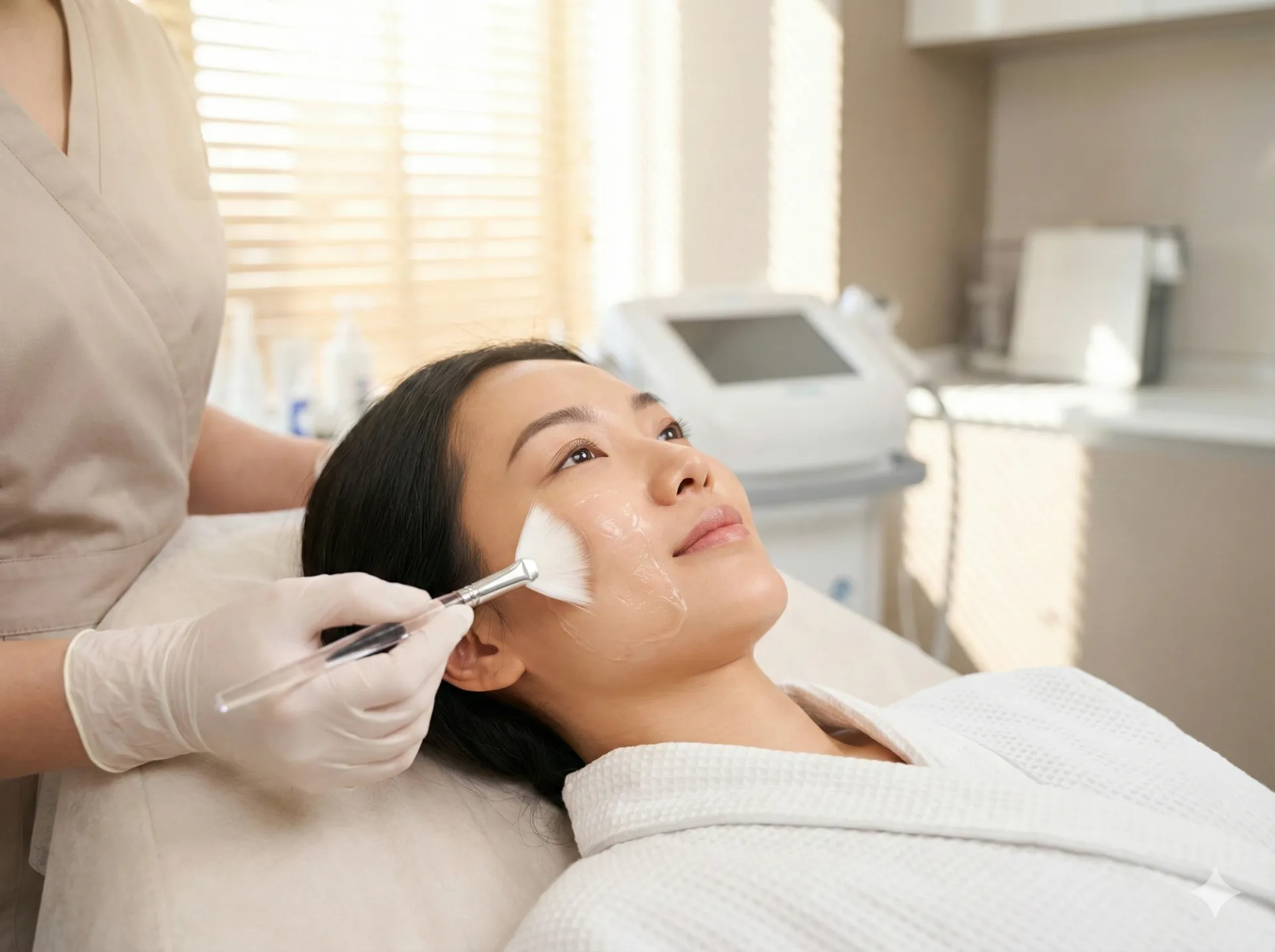
Skin Art MD's HydraPeel uses a blend of glycolic and salicylic acid to soften the outer layer and loosen congestion, then a controlled vacuum to lift blackheads and sebaceous plugs. Antioxidant and hydrating serums are infused next, and the session closes with sunscreen and a barrier-supporting moisturiser. Acid strength and suction are set to your skin on the day, and a session takes roughly 45 to 60 minutes.
Because the solution contains salicylic acid, HydraPeel's logic lines up well with oily, congestion-prone skin. Because the intensity can be turned down, it can also be adapted for more reactive skin. The clinic also offers HydraPeel Scalp, which applies the same approach to the scalp.
What actually differs between them?
Five practical differences:
- Device and tips. HydraFacial uses its own spiral tips; HydraPeel uses a different handpiece and vacuum settings.
- Solutions and serums. HydraFacial uses the manufacturer's solutions and optional boosters. HydraPeel uses a glycolic/salicylic blend, with infusion serums chosen for your skin profile.
- How intensity is set. Both can be adjusted. With HydraPeel, acid strength and suction are re-set at every visit based on how your skin looks that day.
- Emphasis. HydraFacial follows a more standardised sequence that suits routine upkeep. HydraPeel leans on the exfoliate-and-clear combination, which suits periods when oil and congestion are the main issue.
- Spacing. Skin Art MD's HydraPeel page lists a maintenance interval of every 4 to 6 weeks; HydraFacial is also commonly scheduled roughly monthly. Your actual spacing is set at the consultation.
These are differences in equipment and protocol. They do not mean one gives a bigger result for everyone, and the right choice for the same person can change with the season or with what the skin is doing.
Which skin concerns line up with which facial?
There is no fixed rule, but a few patterns help. When blackheads, closed comedones and oiliness are the main complaint, the salicylic-acid HydraPeel fits the problem more directly. When skin is fairly settled and the goal is regular cleansing and hydration, HydraFacial's standard sequence is straightforward. When skin is sensitive, either can be dialled down, provided you describe recent reactions honestly.
Some common situations:
- Just had a laser or peel? Both facials should wait until the skin has recovered; the physician sets the gap.
- Big event coming up? For a first session, book several days ahead so any pinkness has time to settle.
- Planning a combination? Pairing with skin boosters, IPL or RF microneedling is easier to manage when the order and spacing are planned in advance.
When is it better to wait?
Hold off, or talk to the clinic first, if you have widespread inflamed or pustular acne, sunburn, broken skin or open wounds, an active flare of eczema or rosacea, an active cold sore, a known allergy to salicylates, recent use of oral retinoid medication, or concerns about acid ingredients during pregnancy.
Recent waxing, strong at-home exfoliants or high-strength retinoids should also be mentioned ahead of time, so intensity can be lowered or the appointment moved.
What happens to skin afterwards, and when can I wear makeup?
Most people look fresher straight away. Short-lived pinkness or a slight warm feeling is possible and usually fades within hours, and normal activities can resume the same day. Aftercare for HydraPeel includes keeping hands off the face for the first few hours, using gentle, fragrance-light products for 48 hours, and daily sunscreen; mineral makeup can be used afterwards if you wish.
Contact the clinic if redness lingers, stinging gets worse, small bumps appear or the skin starts to peel noticeably. A first session also tells the clinician how your skin responds, which guides the settings next time.
Can regular sessions thin the skin?
At the spacing the clinic recommends, these are gentle surface treatments, and more is not better. Skin needs time to renew between sessions; over-exfoliating can leave it reactive and red. If you also use acids or retinoids at home, count those in the plan and discuss them at your visit.
People also ask whether a facial like this can replace a skincare routine. It cannot. Think of it as periodic deep cleansing and hydration; daily cleansing, moisturiser and sunscreen still do most of the work.
How should I prepare for the visit?
- Arrive without foundation or heavy creams so pores and texture are easy to see.
- List the retinoids, acids and exfoliating products you use, and any recent lasers, peels or injectables.
- Name your main concern: blackheads, closed comedones, oiliness, dullness, roughness or dryness.
- Mention any allergies, especially to salicylates.
Where is Skin Art MD?
Skin Art MD is in Burnaby's Metrotown neighbourhood at #101 – 4378 Beresford St, near Metrotown SkyTrain Station on the Expo Line. The clinic is open Tuesday to Sunday, 10:00 to 18:00, and closed on Mondays. Which facial suits you, and how often, is decided after your skin is assessed. This article is general information and not individual medical advice.