What Is a Signature Facial?
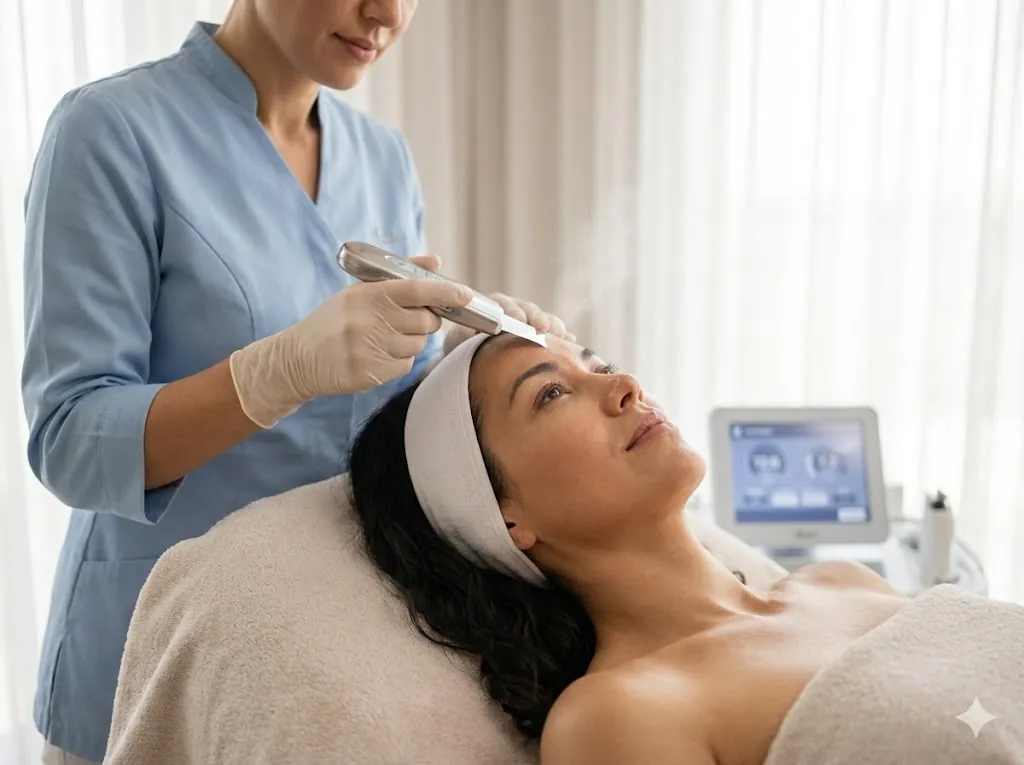
A Signature Facial is not a one-size-fits-all skin treatment. At Skin Art MD in Burnaby, it is a physician-informed, fully customized medical facial designed around your unique skin biology, current concerns, and treatment goals. Learn more about Signature Facial.
Unlike spa facials that follow a fixed protocol regardless of who sits in the chair, a Signature Facial at a physician-led clinic combines evidence-informed ingredient selection, professional-grade actives, and targeted techniques — calibrated to your skin's real-time condition on the day of treatment.
The result is a facial that does not just feel good: it is built to produce measurable, biologically grounded outcomes. Book a Consultation — a physician assessment decides which custom facial protocol suits your skin.
What happens in the skin during a Signature Facial?
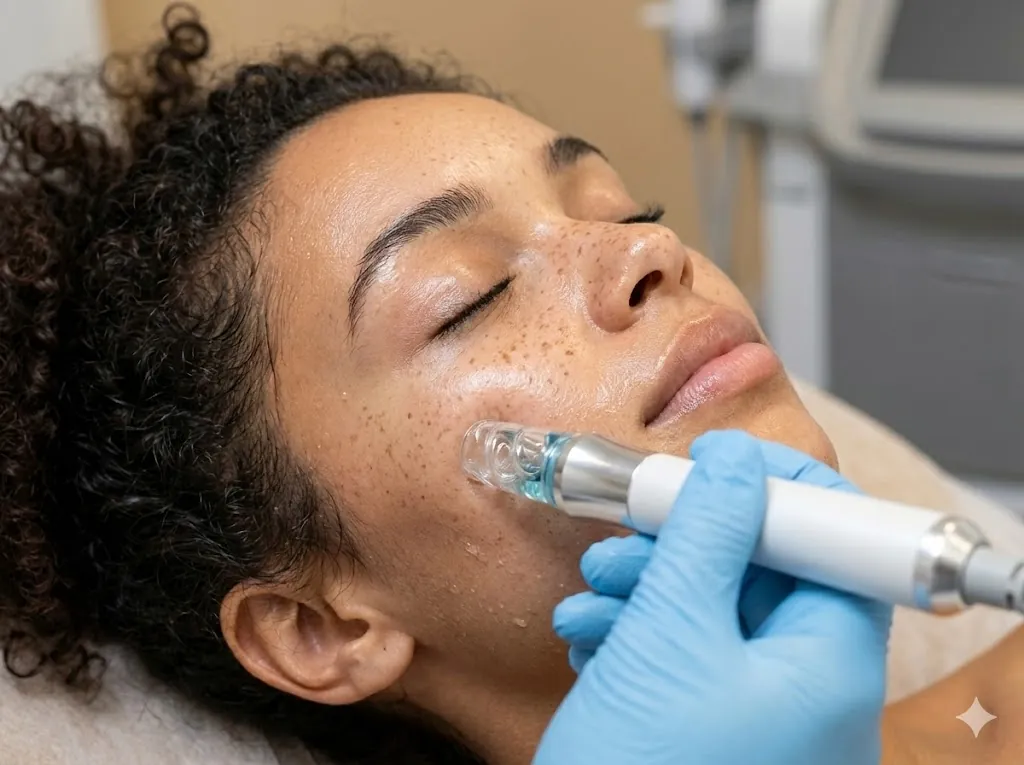
A Signature Facial works in layers: it exfoliates the surface, delivers active ingredients while the skin is more permeable, signals collagen-producing cells, and helps regulate oil and the skin microbiome.
Understanding why medical-grade facials work requires stepping back to look at the skin's architecture — and what disrupts it.
The Skin Barrier and Stratum Corneum
Your outermost layer of skin, the stratum corneum, is composed of corneocytes (dead, keratin-filled cells) embedded in a lipid matrix of ceramides, cholesterol, and free fatty acids. This barrier regulates transepidermal water loss (TEWL) and defends against environmental pathogens, allergens, and oxidative stressors.
When this barrier is compromised — through UV exposure, pollution, harsh cleansers, or intrinsic aging — inflammation increases, moisture escapes, and collagen-degrading enzymes called matrix metalloproteinases (MMPs) become upregulated.
The downstream effects are visible: dullness, fine lines, uneven tone, enlarged pores, and increased skin reactivity.
A well-designed Signature Facial addresses this at each level:
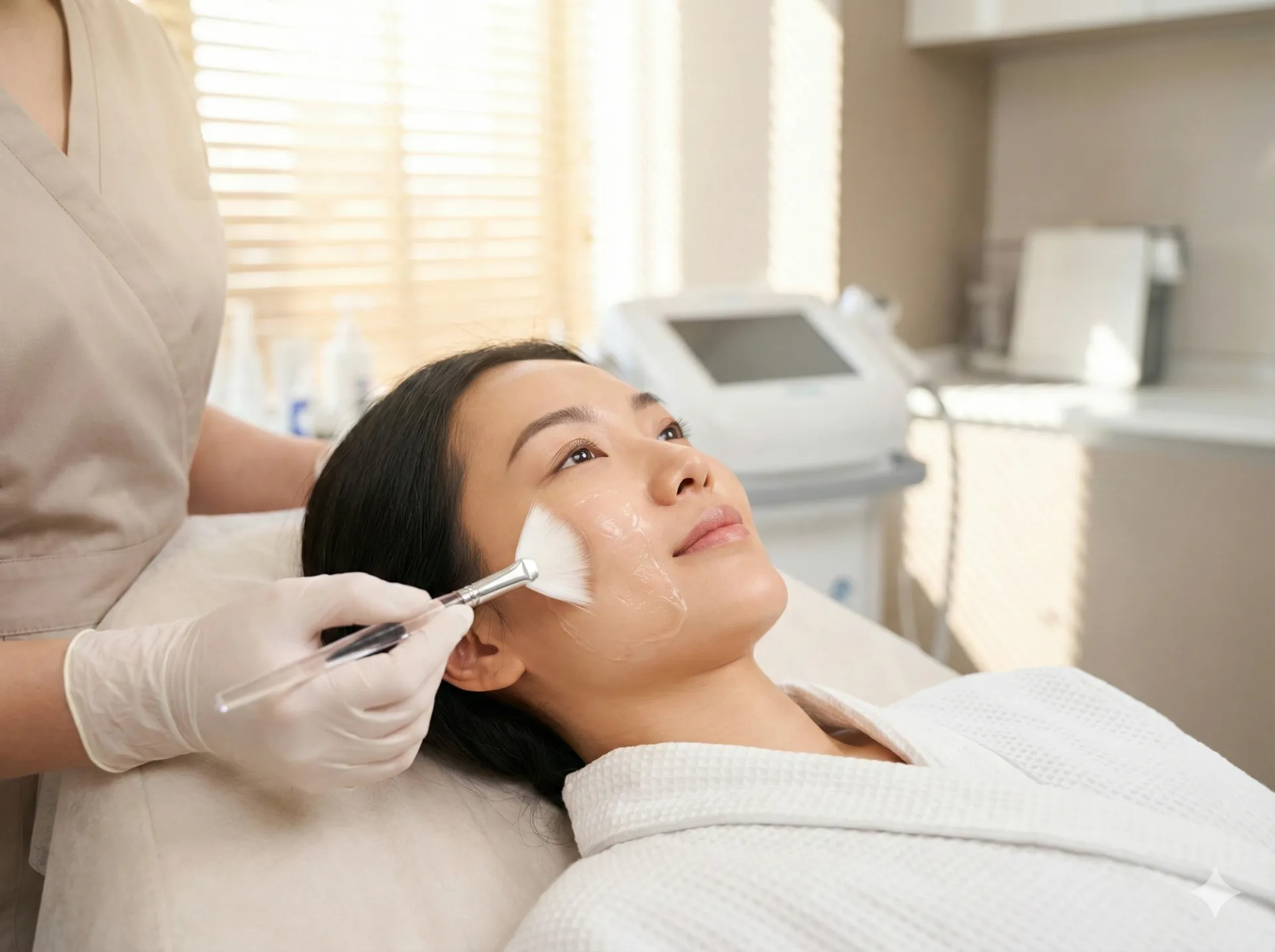
1. Enzymatic or chemical exfoliation — Professional-strength AHAs (alpha-hydroxy acids such as glycolic and lactic acid) or BHAs (beta-hydroxy acids such as salicylic acid) accelerate desquamation — the shedding of dead, cohesive surface cells — revealing the more hydrated, reflective layers beneath. Enzymatic exfoliants derived from papain or bromelain offer a gentler alternative for sensitive or reactive skin types. 2. Active ingredient penetration — After exfoliation, the skin's permeability is temporarily enhanced. This is the therapeutic window. High-concentration serums — including vitamin C (L-ascorbic acid), retinoids, niacinamide, growth factors, or hyaluronic acid — are applied during this window to maximize absorption at the epidermal and upper dermal level. 3. Collagen and elastin stimulation — Some Signature Facial protocols incorporate growth-factor-rich products or low-level energy modalities that signal fibroblasts — the collagen-producing cells of the dermis — to increase type I and type III collagen synthesis. This is the mechanism behind long-term firmness and texture improvements that accumulate over serial treatments. 4. Sebum regulation and microbiome modulation — For acne-prone or oily skin types, targeted ingredients modulate sebaceous gland activity and support the skin microbiome balance, reducing Cutibacterium acnes proliferation while preserving the commensal bacterial populations that protect against inflammation.
What does clinical research show about medical facial ingredients?
Peer-reviewed studies on alpha-hydroxy acid exfoliation, topical vitamin C and niacinamide support the mechanisms used in professional facials, with effects that depend on concentration and formulation.
The science supporting customized professional facial protocols is grounded in peer-reviewed literature — and it explains why physician-designed treatment is meaningfully different from a retail approach.
Exfoliation and barrier function: Research published in the Journal of the American Academy of Dermatology established foundational evidence that regular, controlled exfoliation with alpha-hydroxy acids improves stratum corneum cohesion, increases dermal hyaluronic acid content, and stimulates fibroblast activity. These effects are concentration-dependent — a threshold not reachable with over-the-counter formulations. Vitamin C in clinical skin care: Research published in Dermatologic Surgery demonstrated that topical L-ascorbic acid at appropriate concentrations penetrates the epidermis and dermis to reduce oxidative stress markers, inhibit melanin synthesis via tyrosinase inhibition, and upregulate collagen gene expression. Critically, the delivery vehicle matters: professional-grade, pH-optimized, stabilized formulations used in clinical settings may, for some patients, support greater penetration depth and bioavailability than retail counterparts. Niacinamide and barrier repair: Research published in the Journal of Cosmetic Dermatology showed that topical niacinamide (vitamin B3) significantly reduces TEWL, decreases visible erythema, and inhibits melanosome transfer from melanocytes to keratinocytes — directly addressing both redness and hyperpigmentation over a multi-week treatment course. These studies collectively underscore why a physician-designed Signature Facial — with access to professional-grade ingredient concentrations, optimized delivery vehicles, and sequenced application — may produce clinical outcomes that differ from those of retail products or non-medical spa treatments.
How does a Signature Facial compare to other facial treatments?
A Signature Facial is more targeted than a spa facial but gentler than a chemical peel or laser facial; the table below compares mechanism, depth and typical recovery.
Patients researching facials in Burnaby and Greater Vancouver frequently ask how a Signature Facial compares to other common treatments. The following comparison addresses the most frequent questions our team receives:
| Treatment | Mechanism | Depth | Typical recovery | Commonly used for |
|---|---|---|---|---|
| Signature Facial | Custom: exfoliation + active infusion | Epidermis to upper dermis | Minimal (0–24h) | Maintenance, hydration, tone, glow |
| HydraFacial | Vortex suction + serum infusion | Stratum corneum | Minimal | Congestion, hydration, quick results |
| Chemical Peel (superficial) | Controlled acid exfoliation | Epidermis | 3–7 days | Pigmentation, texture, acne |
| Microdermabrasion | Physical crystal/diamond abrasion | Stratum corneum | Minimal | Texture, pore appearance |
| Laser Facial (e.g., Clear & Brilliant) | Fractional photothermolysis | Dermis | 2–5 days | Fine lines, tone, collagen |
The Signature Facial occupies a strategic position in a comprehensive skin health plan: it is more therapeutically targeted than a spa facial but less aggressive than a chemical peel or laser. Signature Facials are often used as a monthly maintenance protocol between more intensive treatments — sustaining and extending the results achieved by energy devices or injectables.
Who is a Signature Facial suited to?
Suitability is decided by a physician assessment; the facial is commonly discussed for dullness, dehydration, early signs of aging, mild acne and pigmentation, or for maintaining results of other treatments.
At Skin Art MD in Burnaby, every Signature Facial begins with a physician-led skin assessment. Dr. Sharon Fong, a physician, evaluates each patient's Fitzpatrick skin type, active skin conditions, current medications, and prior treatment history before a protocol is selected. This step is not a formality — it is what makes the facial "signature."
Concerns commonly assessed
Concerns commonly discussed at the assessment include:
- Individuals experiencing early signs of aging: fine lines, mild laxity, uneven skin tone
- Patients with persistent dullness or chronic dehydration despite a consistent home-care routine
- Those managing mild-to-moderate acne or post-inflammatory hyperpigmentation (PIH)
- Clients maintaining results from more intensive procedures — peels, lasers, or injectables
- Anyone seeking a science-backed, low-downtime skin reset before an event or season change
Special Considerations
Pregnant or breastfeeding patients: Certain active ingredients — including retinoids and high-concentration salicylic acid — are modified or omitted based on current clinical guidelines. A protocol can often be adapted for this group after physician review.
Active skin conditions: Rosacea, active eczema, or skin infections may require protocol modifications or treatment deferral to avoid exacerbation.
Post-procedure skin: Patients recently treated with energy devices, ablative procedures, or injectables require timing and ingredient adjustments to protect healing tissue.
Darker skin tones (Fitzpatrick IV–VI): Protocols are carefully calibrated to minimize post-inflammatory hyperpigmentation risk — a critical consideration that separates physician oversight from non-medical treatment settings.
If you are unsure whether a Signature Facial is the right starting point, a physician assessment can map out the options. Book a Consultation and let our medical team assess your unique skin needs.
What are the limitations and contraindications of a Signature Facial?
A Signature Facial is generally well tolerated, but it has limits: it does not replace injectables, energy-based treatments or medical care for skin disease, and some conditions rule it out or delay it. Understanding these limits helps set accurate expectations and reinforces why professional evaluation matters.
A Signature Facial is not a substitute for:
- Neurotoxins or dermal fillers for dynamic wrinkles or structural volume loss
- Laser or radiofrequency treatments for significant skin laxity or deeper pigmentation
- Medical management of chronic conditions such as moderate-to-severe acne vulgaris requiring systemic therapy, active psoriasis, or eczema requiring prescription treatment
Contraindications include:
- Active open wounds, cold sores (herpes labialis), or skin infections in the treatment area
- Known allergy to specific ingredients in the planned protocol — full ingredient review is standard at Skin Art MD before any treatment
- Recent use of oral isotretinoin — a waiting period is observed before exfoliating treatments are introduced
- Radiation therapy to the face within recent months
- Uncontrolled autoimmune conditions with cutaneous involvement
Consistent, protocol-driven treatment can build results over time. Equally, knowing when not to proceed — and what to do instead — is precisely what separates a physician-led clinic from an aesthetics spa.
Why Choose Skin Art MD for Your Signature Facial?
Physician-Led, Personalized Care
Every Signature Facial at Skin Art MD is protocol-designed by our medical team — not selected from a standardized menu. Your skin's real-time condition is assessed before each session, and the protocol adjusts accordingly. This is not just good service; it is clinical practice applied to aesthetics.
Professional-Grade Actives
We use medical-grade formulations that are not available in retail settings. The concentrations and delivery systems employed in our clinic have clinical backing — which is why results may differ meaningfully from spa-grade or over-the-counter treatments, even when the ingredient names look the same on the label.
Bilingual Team
Our Burnaby clinic serves a diverse patient population from across Greater Vancouver, with bilingual staff fluent in both English and Mandarin Chinese. Patients can discuss their skin concerns and understand their treatment plan fully — in the language they are most comfortable with. 我们的团队提供中英双语服务。
Integrated Treatment Planning
A Signature Facial may be most helpful as part of a broader skin health strategy. Our team regularly coordinates facials with injectables, laser treatments, and personalized medical-grade home-care regimens — creating a coherent, evidence-based approach rather than isolated appointments.
What do people ask about Signature Facials?
Common questions cover how it differs from a spa facial, how many sessions are involved, recovery, combining it with injectables, preparation, and how fees are set.
How is a Signature Facial different from a regular spa facial? A spa facial uses fixed protocols with retail-grade products applied by aestheticians.
A Signature Facial at a physician-led clinic like Skin Art MD uses professional-grade actives at clinically relevant concentrations, a physician-designed protocol based on your specific skin assessment, and medical oversight — especially important for complex concerns like acne, hyperpigmentation, or sensitive/reactive skin types.
How many sessions do I need to see results? Skin hydration, brightness, and texture may improve after a single session. Addressing persistent concerns such as pigmentation, acne scarring, or textural irregularity may benefit from a series of treatments — most commonly four to six sessions over two to three months, followed by monthly maintenance. Individual results vary based on skin type, concern severity, and adherence to a home-care routine.
Is there any downtime after a Signature Facial? Signature Facials are generally low-downtime treatments. Mild redness or transient sensitivity may occur for a few hours post-treatment, depending on the exfoliation depth and active ingredients used. Most patients return to normal activities immediately. Sun protection is essential in the days following treatment.
Can I combine a Signature Facial with injectables? Yes — with appropriate sequencing. Our medical team at Skin Art MD will advise on optimal timing to ensure compatibility with your neurotoxin or dermal filler appointments. Facial protocols are typically adjusted in the days immediately following injectable treatments to protect treated tissue.
What should I do to prepare for my facial? Arrive without makeup. Avoid retinoids, strong exfoliants, or AHA/BHA products for two to three days before your appointment unless advised otherwise by our team. At your consultation, disclose all medications, supplements, and any treatments you have received in the past three months.
How are Signature Facial fees determined? Fees are not listed online. They depend on the customized protocol, and the team explains them during a consultation.
Next Steps: Your Personalized Skin Plan Starts Here
Reading about the science is the first step — seeing what a physician-designed custom facial can do for your specific skin is the next.
Our team at Skin Art MD in Burnaby is ready to assess your skin, walk you through your options in plain language (or in Mandarin if you prefer), and design a protocol grounded in clinical evidence and honest expectations. Book a Consultation today — our team sees patients from across Burnaby and Greater Vancouver, and we look forward to helping you build a skin health plan.
Ready to See What Signature Facial Can Do for You?
Our medical team at Skin Art MD in Burnaby is ready to create your personalized treatment plan. Book a consultation — available in English and Chinese.
This article is for educational purposes only and does not constitute medical advice. Please consult with a qualified healthcare professional before undergoing any treatment.