Horizontal neck lines usually come from a mix of factors: neck skin is thinner than facial skin, it folds every time you look down, it gets less sun protection than the face, and collagen and elasticity decline with age and genetics. Prevention basics are sunscreen, posture and moisturiser. In-clinic options differ by mechanism, hydration, collagen stimulation or tightening of lax tissue, so an assessment comes first.
People in Burnaby and across Greater Vancouver often notice neck lines earlier than they expected, sometimes in their late twenties or thirties, and the term "tech neck" has become a common way to describe it. This guide explains what is behind horizontal neck lines, what you can do at home, and how the options at Skin Art MD in Burnaby (Metrotown) differ from each other. It is general education, not medical advice, and individual results vary.
What causes horizontal neck lines?
Horizontal neck lines are creases that run around the neck, sometimes called necklace lines. They usually reflect several causes at once rather than a single one.
- Repeated folding. The neck bends forward thousands of times a day. Where skin folds in the same place again and again, a crease can gradually stay visible even when the head is upright.
- Thin skin. Neck skin is thinner than skin on the face and has fewer oil glands, so it tends to show lines and dryness sooner.
- Sun exposure. Many people apply sunscreen to the face and stop at the jawline. Ultraviolet exposure contributes to collagen breakdown and to the crepey texture and uneven colour often seen on the neck and chest.
- Laxity. With age, collagen and elastin decline and the skin loosens. Lax skin folds more easily, which can make existing lines look deeper.
- Genetics. Some people have visible neck creases from a young age, including in people with a slimmer build or a family pattern of neck lines. Genetics also affect skin thickness and how quickly elasticity changes.
Vertical bands that run from the jawline down the neck are a different feature. They relate to the platysma, a thin sheet of muscle under the skin, and they are assessed separately from horizontal creases.
Is "tech neck" a real thing?
"Tech neck" is an informal term, not a medical diagnosis. It describes the idea that looking down at phones, tablets and laptops for hours each day adds to the repeated folding that sets neck lines.
Screen posture is one contributor among several. Thin skin, sun history, laxity and genetics still play a large part, which is why two people with similar phone habits can have very different necks. If you notice neck or shoulder pain along with screen use, that is worth raising with your family physician or a physiotherapist, because it is a separate question from the appearance of the skin.
Can you prevent neck lines at home?
Home habits cannot erase lines that are already set, but they are the foundation for any plan. Most of them are simple and inexpensive.
- Extend sunscreen to the neck and chest. Apply a broad-spectrum sunscreen daily, including the sides and back of the neck, and reapply when you are outdoors. HealthLinkBC has general sun-safety guidance for British Columbians.
- Bring screens up to eye level. Raising your phone or laptop reduces how far and how often the neck bends forward. A laptop stand and a separate keyboard can help at a desk.
- Moisturise the neck. Carrying your facial moisturiser down to the neck helps with dryness and may make fine lines less noticeable day to day.
- Be gentle. Neck skin can be more reactive than facial skin, so introduce strong active ingredients slowly and stop if you see irritation.
- Consider sleep position. Some people find that sleeping with the neck strongly bent increases morning creasing.
These steps are general. If you have a skin condition or are using prescription skincare, check with your physician first.
How do in-clinic options for neck lines differ?
In-clinic options work by different mechanisms: some add hydration to the skin, some stimulate collagen in the upper layers, and some aim at deeper laxity. Matching the mechanism to what is actually causing your lines is the main purpose of an assessment.
Skin boosters: hydration for crepey texture
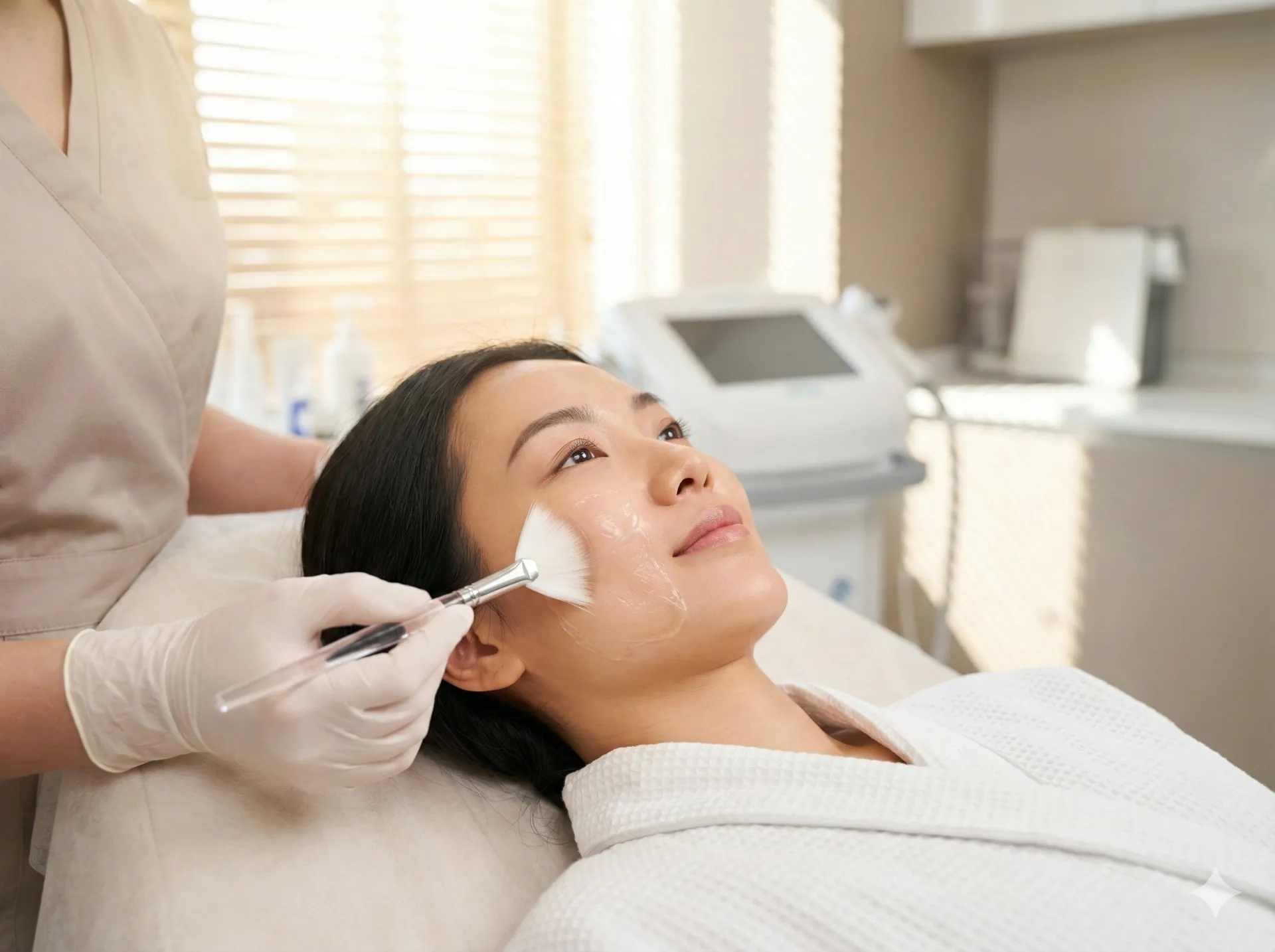
Skin boosters are small, spread-out injections of a thin hyaluronic acid product placed in the skin. They are discussed for dryness and a crepey surface rather than for deep creases or loose skin. Treatment is usually planned as a short series, followed by maintenance, and the number of sessions varies from person to person. See our skin boosters page for how the treatment is structured.
RF microneedling (Sylfirm X): texture and fine lines
Sylfirm X combines fine needles with radiofrequency energy delivered in the skin. It is generally considered for texture, fine lines and skin quality. On the neck, settings are adjusted for thinner skin, and a series of sessions spaced several weeks apart is common. Temporary redness and small marks afterwards are expected and vary by person.
Ultherapy and Thermage: when laxity is part of the picture
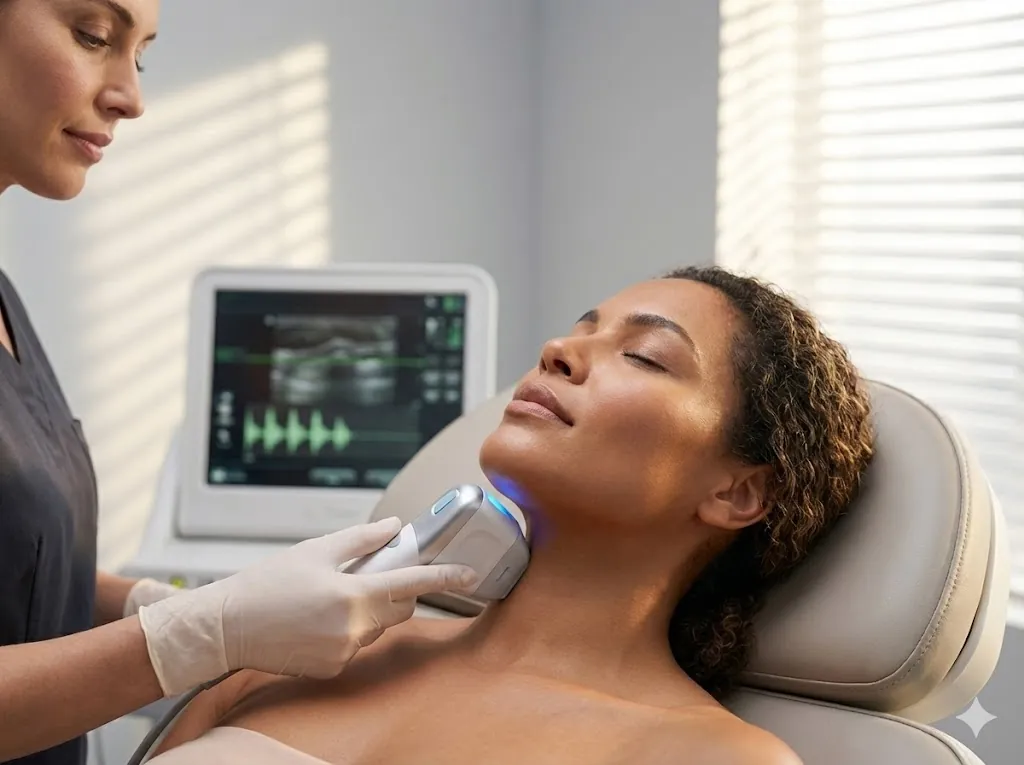
Ultherapy (micro-focused ultrasound) and Thermage FLX (monopolar radiofrequency) are energy-based devices used when loose skin is contributing to how the neck looks. Ultherapy reaches deeper layers, while Thermage heats the skin more broadly. Any change develops gradually over the following months as collagen remodels, and the degree of change varies. They are not a substitute for surgery when there is a large amount of loose skin, and we will say so if that is the case. Our Ultherapy page explains the device, and our earlier article on Ultherapy for the jawline and neck covers which laxity patterns it is usually discussed for.
Neuromodulator injections: for vertical platysmal bands
A neuromodulator is a prescription medication. For prominent vertical bands, a physician may discuss it as one option after an in-person assessment. Whether it is appropriate, and how it would be given, is a medical decision made by the physician, who will also review your health history, medications and risks with you. It is not a treatment for horizontal lines.
Dermal fillers: for deeper etched lines, with care
For some deeper, etched horizontal lines, a physician may consider placing a soft hyaluronic acid filler in very small amounts. Neck skin is thin and the area has important structures, so technique and product choice matter, and lumps or visible product are possible risks. This is decided case by case by the physician, and many people are better suited to other options.
Will I need more than one session?
Usually, yes, but the number varies. Skin boosters and RF microneedling are typically planned as a series. Energy-based tightening is often a single session with a gradual change, sometimes repeated later. Some people combine approaches over time, for example addressing laxity first and texture afterwards.
Your plan depends on skin thickness, sun history, how deep the lines are, how much laxity is present, your skin type and your goals. A treatment plan and a quote are given after assessment.
Why does an assessment matter so much for the neck?
Neck skin is thinner than facial skin, it heals differently, and lines, laxity and muscle bands often appear together. An assessment helps sort out which of these is driving what you see.
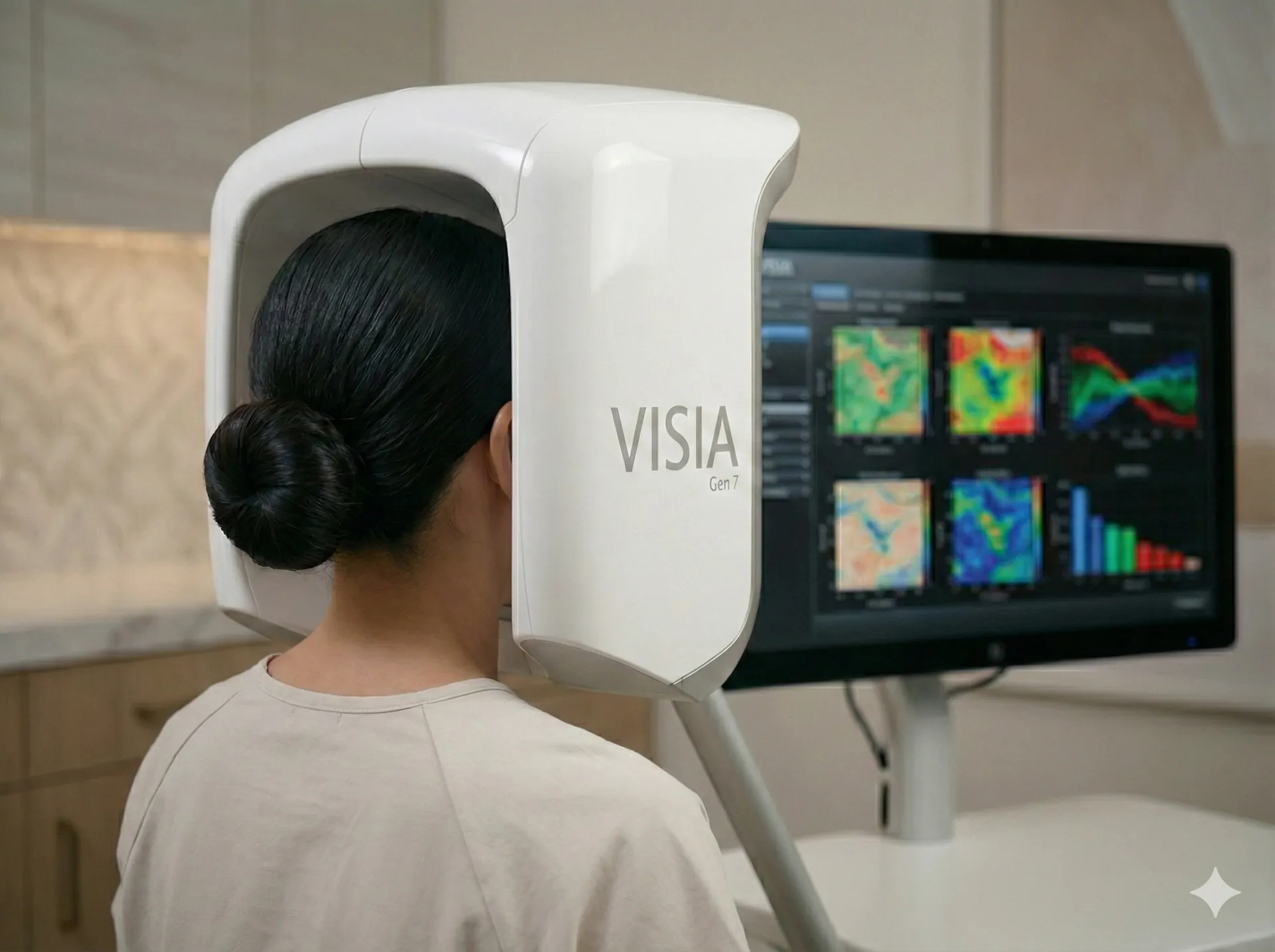
At Skin Art MD, Burnaby is a physician-led clinic. Injectable treatments are performed by physicians, and device treatments are performed by trained staff under physician oversight. During the consultation, our medical team looks at the depth and pattern of lines, skin quality, laxity and any vertical bands, reviews your health history and medications, and explains what each option can and cannot be expected to do. Sometimes the honest answer is that home care, or a referral to a surgeon, is the more suitable path.
What should I expect realistically?
Expect softening rather than erasure. Neck lines formed over many years, and in-clinic options tend to change them gradually and partially. Individual results vary, and some people see little change from a given approach.
Lines can also return as the skin continues to age and as posture and sun habits continue, so maintenance and daily sunscreen remain part of the plan. Every procedure carries possible side effects, such as redness, swelling, bruising or tenderness, and your practitioner will go through these before you decide.
Neck lines FAQ
At what age do neck lines appear? It varies widely. Some people have visible creases in their twenties because of genetics or skin thickness, while others notice them later. Age alone does not determine whether treatment is appropriate.
Can neck creams remove neck lines? Moisturisers and sunscreen support skin condition and may make fine lines less noticeable, but they do not remove set creases. They remain useful alongside any in-clinic plan.
Is there downtime after neck treatments? It depends on the option. Many people return to normal activities the same day, but redness, swelling, small marks or bruising can occur and may last for days. Your practitioner will explain what to plan for.
Can I combine treatments for the neck? Sometimes. Combinations are planned around timing and how the skin responds, and are decided at assessment rather than in advance.
Are horizontal lines and vertical bands treated the same way? No. Horizontal lines relate mainly to skin folding, thinness and laxity, while vertical bands relate to the platysma muscle. They are assessed separately.
Booking a neck assessment in Burnaby
If you would like to understand what is behind your neck lines and which options may fit, you can book a consultation at Skin Art MD in Burnaby (Metrotown), serving Greater Vancouver. You can also read more on our neck lines page before your visit.