Adult acne is common, and it is not only a teenage problem. If breakouts keep returning for months, leave dark or red marks, or show up as deep, painful lumps, it is reasonable to see a physician. A physician can decide whether prescription topical or oral treatments make sense for you. In-clinic options such as deep-cleansing facials and chemical peels can support that plan, but they are not a replacement for medical care.
This guide is written for adults in Burnaby and Greater Vancouver who are trying to work out what kind of acne they have, when it is time to book a medical assessment, and where clinic treatments fit. It is general education, not personal medical advice. Individual results vary, and your plan should come from someone who has examined your skin.
What type of acne do I have?
Most acne falls into three broad patterns: comedonal, inflammatory and cystic (nodular). Many adults have a mix, and the pattern matters because it changes what is likely to help.
Comedonal acne
Comedones are clogged pores. Open comedones are blackheads; closed comedones are small skin-coloured bumps, often called whiteheads. They are usually not painful and tend to cluster on the forehead, nose and chin. This is the pattern where consistent skincare and in-clinic pore cleansing are most often discussed.
Inflammatory acne
Inflammatory acne includes red bumps (papules) and pus-filled spots (pustules). The redness comes from the skin's immune response inside a blocked follicle. Inflamed spots are more likely to leave post-inflammatory marks, especially in skin that tans easily or is prone to brown discolouration.
Cystic or nodular acne
Nodules and cysts are deep, firm and often painful. They can last for weeks and usually do not come to a head. This pattern carries the highest risk of scarring, and it is the clearest signal to see a physician rather than relying on facials or home care.
If you are not sure which pattern you have, our acne concern page has a short self-check, but a physician's examination is the more reliable way to sort it out.
When should I see a physician about adult acne?
See a physician if acne is moderate to severe, painful, leaving scars or marks, or has not improved after two to three months of consistent over-the-counter care. Earlier is better when there are cysts or nodules.
Other reasons to book a medical assessment include:
- Acne that started suddenly in adulthood, or changed a lot in a short time
- Breakouts along the jaw and chin that flare with your menstrual cycle
- Acne alongside irregular periods, new hair growth on the face or body, or scalp hair thinning
- Acne that appeared after starting a new medication or supplement
- Breakouts that are affecting your mood, sleep or confidence
A physician can review your history, examine your skin and decide whether prescription topical or oral treatments your physician may discuss are appropriate. Some people are referred to a dermatologist, often through their family doctor. HealthLink BC (8-1-1) is also a useful starting point for general information if you are unsure where to begin.
Could hormones be part of my adult acne?
Hormones can play a role in adult acne, particularly in women, but they are only one factor alongside oil production, clogged pores, bacteria, genetics, stress and skincare habits. Working out whether hormones are involved needs a proper assessment, not guesswork.
Signs that a clinician may want to look at hormonal contributors include acne concentrated on the lower face and jaw, flares tied to the menstrual cycle, and other symptoms such as irregular cycles or unwanted hair growth. Your family doctor or a physician may order bloodwork or refer you on.
Some people also choose to talk with a naturopathic doctor about lifestyle, nutrition, sleep and stress as part of a broader picture. At Skin Art MD that starts with a short naturopathic consultation, which you can book through naturopathic booking. This is one option among several. It works alongside, not instead of, care from your family physician, and it is not a substitute for medical treatment of moderate or severe acne.
What in-clinic treatments can support an acne plan?
Clinic treatments can help with congestion, oil and surface texture, and they can make a home routine easier to stick to. They are most often used for comedonal and mild inflammatory acne, and they are not a replacement for prescription care when that is needed. A consultation at Skin Art MD decides what is suitable for your skin.
Deep-cleansing facials: HydraFacial and HydraPeel
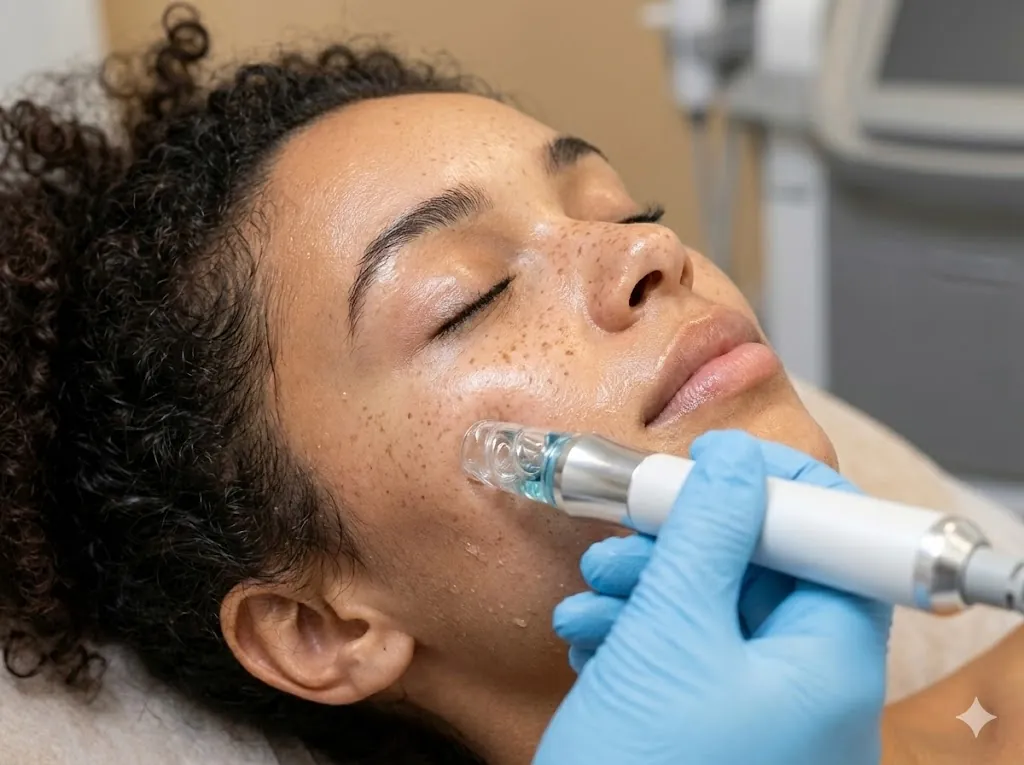
HydraFacial and HydraPeel are water-based facials that exfoliate the surface, use gentle suction to extract congestion from pores, and infuse serums. HydraPeel pairs this with a glycolic and salicylic acid blend. For people with blackheads, whiteheads and oily skin, a series of these facials is often discussed as part of a maintenance routine. They are not designed for deep cysts, and extraction is not performed on inflamed or painful lesions.
Chemical peels and V Carbon
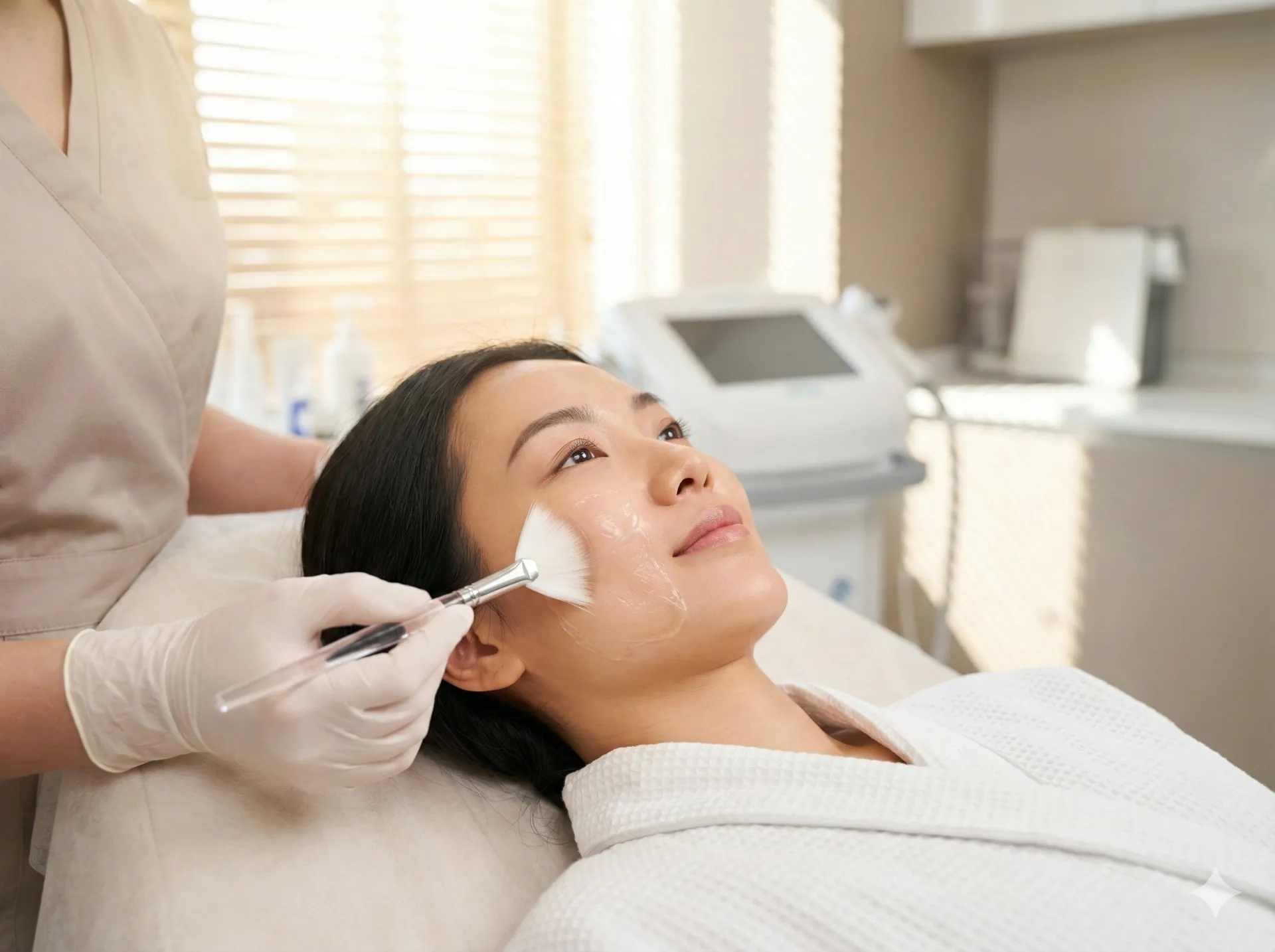
Chemical peels use acids to loosen dead surface cells so pores are less likely to clog. V Carbon is a carbon and acid peel, without a laser, that is discussed for oil, enlarged-looking pores and dullness. Peel strength and timing depend on your skin, your medications and how active your breakouts are. Tell the team about any prescription skin products or recent oral acne medication, because some peels and extractions may need to wait.
Signature Facial
A customized medical facial can cleanse, exfoliate and calm the skin when you are not ready for, or do not need, a stronger peel. The protocol is set on the day after a skin analysis.
What about marks and scars?
Red and brown marks, and pitted scars, are a separate stage. Devices such as RF microneedling and picosecond lasers are usually considered once active breakouts are under control. Our guide to acne scar treatment options covers that stage in detail.
What should I avoid doing with active acne?
Avoid picking, squeezing and harsh scrubbing. These habits push inflammation deeper, can spread bacteria and raise the risk of marks and scars.
Other common mistakes:
- Over-exfoliating. Stacking scrubs, acids and retinoid-type products can damage the skin barrier and make redness worse.
- Switching products every week. Most acne routines need several weeks before you can judge them.
- Skipping moisturizer. Oily skin still needs a light, non-comedogenic moisturizer, especially alongside drying products.
- Heavy, pore-clogging makeup or hair products near the hairline and jaw.
- Ignoring sunscreen. Sun exposure can darken post-inflammatory marks, particularly in skin that is prone to pigmentation.
- Trying to "dry out" a cyst at home. Deep lesions need medical assessment.
When does scarring risk mean I should get care sooner?
If you have cysts or nodules, if your acne already leaves pitted scars, or if you notice marks forming from most breakouts, it makes sense to see a physician sooner rather than waiting it out. Scars form when inflammation damages the deeper layers of skin, and the longer severe inflammation continues, the more chance there is for long-lasting texture changes.
Family history matters too. If a parent or sibling had significant acne scarring, mention it at your appointment. Early, appropriate medical care is generally aimed at limiting new damage, which is easier than repairing scars later.
How long does it take to see improvement?
Expect to give any acne plan at least 8 to 12 weeks before judging it. Skin renews over several weeks, and many prescription and skincare approaches take that long to show a trend. Some people notice changes sooner, others later, and individual results vary.
A realistic timeline often looks like this:
- Weeks 0 to 4: Assessment, starting a routine and any physician-recommended treatment. Some products can cause temporary dryness or irritation.
- Weeks 4 to 12: Gradual change in the number of new breakouts. Clinic facials or peels, if suitable, are usually spaced a few weeks apart.
- After 3 months: Review with your physician. Plans are often adjusted at this point.
- Once breakouts are controlled: Address leftover marks or scars, and agree a maintenance routine.
Acne can also flare again with stress, hormonal changes or new products, so maintenance is part of the plan.
Frequently asked questions
Is a facial enough on its own for acne?
A facial is not expected to resolve acne on its own. Deep-cleansing facials and peels can support a plan for congestion and oil, but moderate, inflammatory or cystic acne usually needs a physician's assessment.
Is adult acne different from teenage acne?
Adult acne is more often on the lower face and jaw, may be linked to hormonal changes, and can be more persistent. The underlying process, clogged and inflamed follicles, is the same.
Do I need a referral to book an acne assessment at Skin Art MD?
No referral is needed to book a consultation through our booking page. For a dermatologist, you will usually need a referral from your family doctor.
Can I get a HydraFacial or peel while using prescription acne treatment?
Sometimes, but not always. Tell the team about every product and medication you use. Some prescription treatments make the skin more sensitive, and certain peels or extractions may need to wait.
Will acne marks fade on their own?
Flat red or brown marks often fade over months, especially with daily sunscreen. Pitted scars do not usually fade on their own and are assessed separately once acne is under control.
Booking an acne assessment in Burnaby
Skin Art MD is a physician-led clinic in Burnaby (Metrotown) serving Greater Vancouver. The first step is a consultation, where our medical team reviews your skin, history and current routine, and discusses whether in-clinic options fit alongside any medical care you need. Treatment plans and quotes are given after assessment. You can book a consultation, or read more about the condition on our acne concern page.