Sylfirm X and medical microneedling both use fine needles in the skin, but only one adds energy. Microneedling is mechanical: tiny channels prompt a repair response, mainly for texture, acne scars and pores. Sylfirm X is bipolar radiofrequency microneedling: insulated gold needles release RF energy at the tip, with two pulse modes also used for pigment and redness. A physician assessment at Skin Art MD in Burnaby decides which fits.
| Medical microneedling | Sylfirm X | |
|---|---|---|
| What does the work | The needle channels themselves (mechanical) | Needle channels plus radiofrequency energy at the needle tip |
| Needles | Single-use sterile cartridge, vertical action | Insulated, gold-coated needles that confine energy to the tip |
| Settings | Depth adjusted by zone | Mode, depth and energy adjusted by zone |
| Modes | One | Repeated pulse (RP) and continuous pulse (CP) |
| Main focus on Skin Art MD's pages | Texture: acne scars, pores, fine lines, stretch marks | Pigment, redness, pores, acne scars and laxity |
| Optional add-on | PRP (the person's own platelet-rich plasma) | Combined with other skin treatments as planned |
| Typical recovery | Redness like a mild sunburn for a day or two; light flaking possible | Redness and mild swelling for 24 to 48 hours; pinpoint scabbing for a few days |
| Plan | A series of sessions spaced weeks apart | A series of sessions, often about four weeks apart |
What does a needle alone do to the skin?
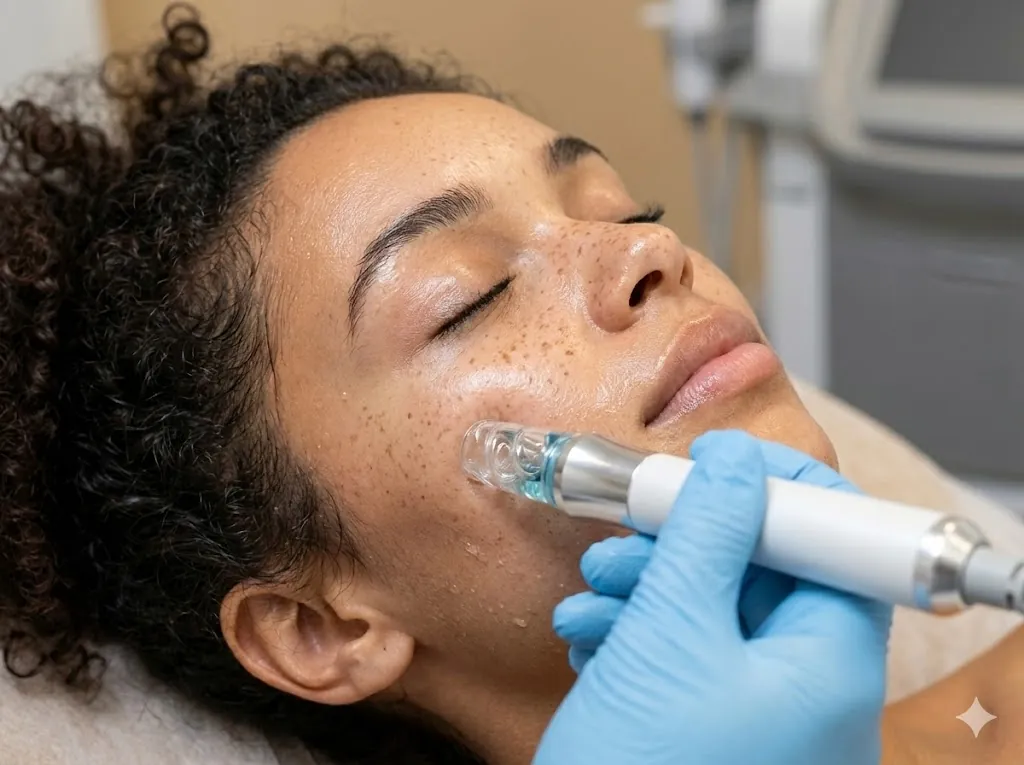
A needle alone creates tiny controlled channels, and the skin's repair response to those channels is what changes texture. In medical microneedling, the needles enter and leave the skin vertically, which reduces drag compared with rolling, and depth is set for each zone: deeper for scarred cheeks, shallower for the forehead and around the eyes. The repair response includes new collagen, which is why pitted acne scars and rough texture can soften across a series. The channels also let topical products used in the session reach further than they would on intact skin.
Because there is no heat, microneedling is mostly discussed for texture rather than for pigment.
What changes when radiofrequency is added?
Adding radiofrequency means the needle becomes a delivery point for heat inside the dermis, not just a tool for making channels. Sylfirm X needles are insulated along the shaft and gold-coated, so energy is released at the tip rather than along the whole needle. That confines heating to the target depth and spares the surface, which is why the device is discussed for deeper concerns on skin prone to pigment changes.
"Bipolar" refers to how the current flows: between points on the treatment tip, within a small volume of skin, rather than through the body to a return pad.
What are the RP and CP modes?
They are two ways of delivering the same energy, chosen for different concerns. The repeated-pulse (RP) mode uses short pulses and is used for concerns such as melasma-type pigment and facial redness. The continuous-pulse (CP) mode delivers sustained energy that warms the dermis to support collagen, and is used for laxity, pores and acne scars. Settings can change zone by zone within one session.
Why do pigment and redness steer the conversation?
Pigment and redness steer the conversation because a mechanical needle does not target them, while Sylfirm X's RP mode is designed around them. When pigment, redness and scarring appear together, Sylfirm X is often discussed; when the concern is mainly scars, pores or texture, microneedling is often the first conversation. Melasma tends to recur, so expectations and maintenance are set at assessment, and parameters are chosen with the risk of pigment rebound in mind, which matters for melanin-rich skin.
How does a visit compare at the Metrotown clinic?
Both visits start with numbing and end with calming care, but what happens in between differs. For microneedling, numbing cream is left on for about half an hour, the face is treated in sections with depth adjusted by area, PRP is applied at this stage if chosen, and a soothing mask finishes the visit. Most people describe a vibrating, scratching sensation.
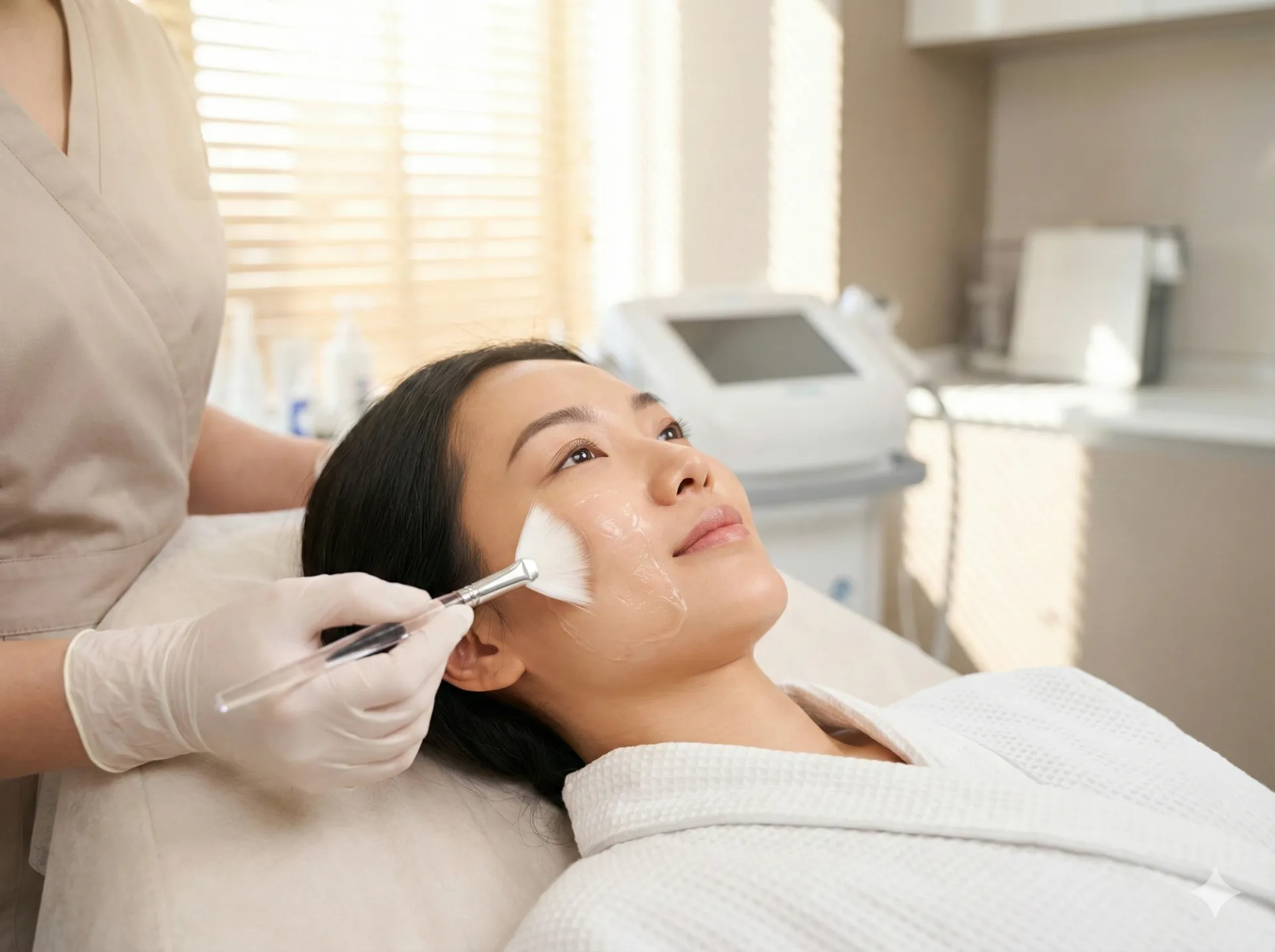
For Sylfirm X, the physician reviews goals, skin and any vascular concerns, sets the mode and settings, and numbing cream is left on for a while before the handpiece is applied across each zone. Most people feel warmth and a light prickle. A calming serum or mask follows, with written aftercare. Sessions run about 45 to 60 minutes, plus numbing time. Skin Art MD is at #101 – 4378 Beresford St, Burnaby, near Metrotown SkyTrain Station.
What does recovery look like?
Recovery is short for both, with slightly more visible signs after Sylfirm X. After microneedling, redness like a mild sunburn typically lasts a day or two; face washing waits until the next morning, sunscreen starts from day two, sweating and exercise are avoided for about 48 hours, and light flaking can appear around day three or four. After Sylfirm X, redness and mild swelling for 24 to 48 hours are common, and pinpoint scabbing can last a few days and is left to fall off on its own. Gentle products and strict daily sunscreen apply to both.
Is a home roller the same thing?
No, a home roller is a different tool. Medical microneedling uses single-use sterile needle cartridges and depth chosen for each area, and RF microneedling adds energy that no home device delivers in the same way. Too deep adds trauma and too shallow adds little, which is why depth is set by the clinician.
Can they be combined?
They can be part of the same plan, usually as separate sessions rather than on the same day. Some plans use microneedling, with or without PRP, for texture and Sylfirm X for pigment and redness, or pair Sylfirm X with other skin treatments. The clinic separates Sylfirm X from filler in the same area by at least two weeks. Timing is set by the physician.
How is the choice made?
The choice is made at a physician assessment at Skin Art MD in Burnaby, based on which concerns are present and how the skin is likely to respond. The physician looks at scars, pores, pigment, redness and laxity, skin type and history, and checks reasons to wait: active inflamed acne, infection or open wounds, a history of keloid scarring, active eczema or psoriasis, blood-thinning medication, recent oral acne medication, pregnancy or breastfeeding, a pacemaker or metal implant in the area, and recent filler. Treatment plans sit within the care of Medical Director Dr. Charles Jiang, and consultations are available in English, Mandarin and Cantonese.
What else do people ask about Sylfirm X and microneedling?
These are the shorter questions that come up most often.
Does either one hurt?
A numbing cream is applied first for both. Microneedling feels like vibration and scratching; Sylfirm X like warmth and a light prickle.
Which one is used for acne scars?
Both are. Microneedling is the mechanical, texture-focused option; Sylfirm X's CP mode also heats the dermis to support collagen.
Can active acne be treated?
Neither is for active inflamed acne, which is settled first. Both are discussed for scars.
How many sessions are usual?
Both are usually planned as a series. The physician sets the number based on the concern.
When can makeup go back on?
After microneedling, about 24 hours while the channels settle; mineral makeup is usually fine the next day. Sylfirm X aftercare is given in writing.
When is the clinic open?
Tuesday to Sunday, 10:00 to 18:00; closed Mondays.
Written by the Skin Art MD clinical team as general information about how these treatments work and what a visit involves. It is not medical advice; suitability is decided at a physician assessment.